


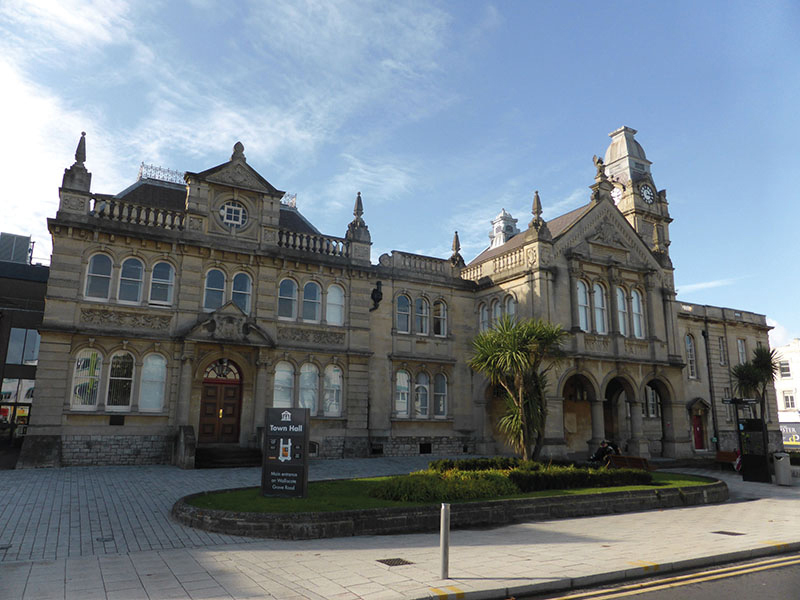
RESIDENTS are being warned council tax rises above the usual government cap are ‘almost certain’.
The warning, from North Somerset Council (NSC), comes as the authority looks to plug a widening financial blackhole in the coming years amid spiralling costs for child and adult social care and funding cuts.
At a Cabinet meeting on Wednesday (December 10), leader Cllr Mike Bell set out the stark financial reality facing the authority.
He said the position was worsened by historic decisions to keep council tax lower than in similar areas, combined with year-on-year reductions in national funding, and sharp increases in costs and demand for services.
“For years, North Somerset has had one of the lowest levels of council tax in the region,” said Cllr Bell.
“That might have sounded attractive at the time, but it has meant less money coming in every year to fund local services.
“When you add in proposed changes to the funding formula and rapidly rising demand for adult social care, children’s services and homelessness support, the gap between what we can raise and what it costs to provide services has simply become too big to bridge with transformation, efficiencies, one‑off savings and the use of our limited reserves.”
READ MORE: North Somerset Council issues ‘bankruptcy’ warning amid financial black hole
READ MORE: Three North Somerset libraries under threat as council looks to save £430,000
He said the government’s recently-unveiled Fair Funding Review assumed councils are already charging more council tax than North Somerset does – affecting future funding.
The government’s funding calculations are based on councils charging £2,060 council tax for a Band D property – £267 more per household than NSC currently charges.
At the same time, national funding has not kept pace with inflation or the cost of delivering services, Cllr Bell said.
Previously, the council had forecast that it would lose £17.4 million in funding from central government as a result of their review, but revised calculations indicate that North Somerset will be £23.8m worse off over the next three years.
“We want to be completely honest with residents,” Cllr Bell added. “There is no painless option left.
“Higher council tax rises are now unavoidable if we are to keep essential services running and avoid a financial crisis that would do far more damage to our communities.”
The council is applying to government for Exceptional Financial Support (EFS) – as neighbouring Somerset Council has done in recent years in a bid to balance the books – to manage the situation and protect services.
EFS is a temporary measure used when councils face severe pressures, allowing them to use one-off income streams – such as property sales – to pay for services.
However, an application for EFS does not guarantee the council will get what it asks for, as the government may turn them down.
READ MORE: Politics news from your Somerset Leveller
EFS also allows authorities to raise council tax by more than the 4.99% allowed by law before a referendum must be called.
“EFS is a last‑resort safety net, and doesn’t mean more money from the government,” said Cllr Bell.
“Any extra borrowing has to be repaid and we know that higher‑than‑usual council tax rises are a direct burden on residents.
“But the alternative would be emergency cuts to core services and the real risk of issuing a Section 114 ‘bankruptcy’ notice.”
The council is clear that the options now on the table are all difficult, but not acting would be worse.
NSC warned that without the extra support, services such as social care, support for vulnerable children and basic local infrastructure would face immediate cuts, as well as the council providing the legal minimum level of service.
“Residents are being asked to help fix problems created by historic low tax decisions by previous administrations, proposed changes to the funding system and rising costs,” Cllr Bell added.
“We will continue to make more savings and transform services – council tax rises will come on top of that work, not instead of it.
“But it is not honest to pretend that efficiencies alone can close a structural gap of this scale.”
“Our job is to protect people and keep North Somerset running,” Cllr Bell concluded.
“That now means taking difficult but responsible decisions. Council tax rises through Exceptional Financial Support, give us a chance to stabilise the finances, avoid crisis cuts, and start to rebuild a fairer, more sustainable footing for the future.”
The council’s budget will be set at a meeting in February and any proposed changes to council tax, including accepting exceptional financial support, will need to be agreed by the full council.
READ MORE: North Somerset news from your Leveller






Leave a Reply