


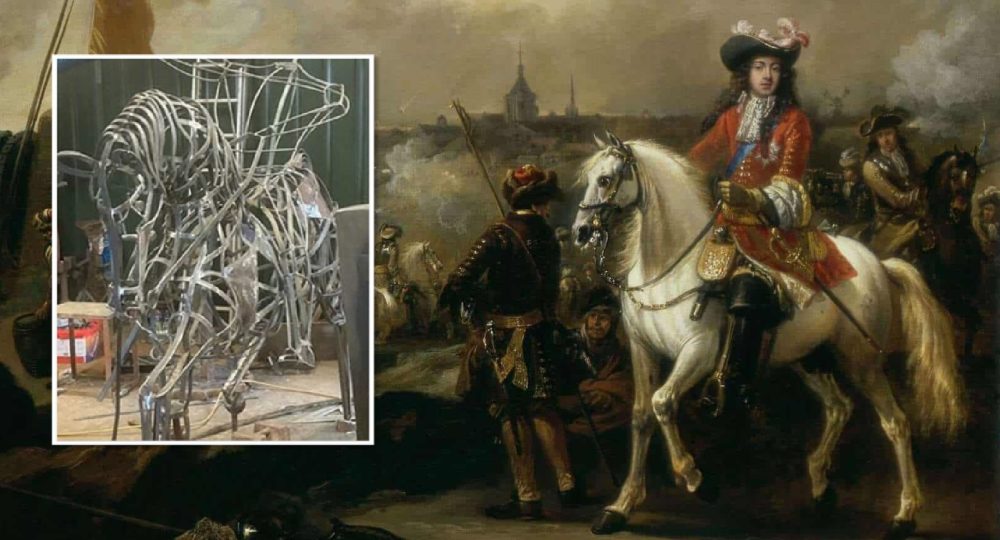
A STEEL sculpture of a horse rider waving a flag could soon sit at the entrance of a newly-built housing estate in Somerset to pay homage to the area’s history.
New-built estates typically feature a community notice board – but a housing developer has different plans for its estate in Westonzoyland near Bridgwater.
Stonewater, who built the Liney Road estate, has submitted plans to create an art installation depicting the end of the Monmouth Rebellion which would sit at the entrance on Vulcan Drive.
READ MORE: Former office in historic Bridgwater street is going up for auction
READ MORE: Bridgwater households facing higher council tax bills for town authority
This 2.5 metre tall and two metre long installation will depict a galvanised steel horse and its rider, waving a flag, to mark the 1685 Battle of Sedgemoor which took place just north of the village.
The clash was the last pitched battle to be fought on English soil.
This battlefield is registered within the Register of Historic Battlefields by English Heritage for its special historic interest.
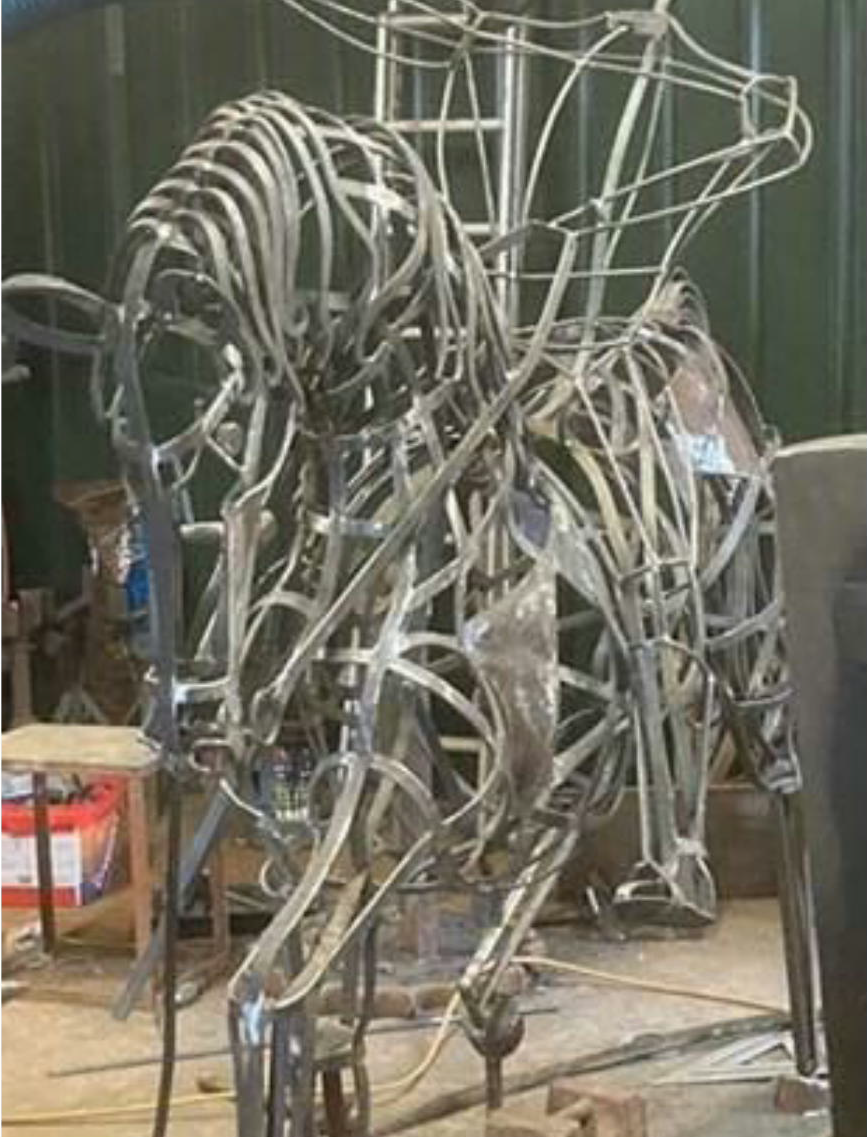
The proposed sculpture Picture: Boon Brown
Agent Boon Brown, who submitted the plans on behalf on Stonewater, said: “The horse and rider were a significant feature of the battle of Sedgemoor; the King’s Regiment of Horse, led by Colonel Sir Francis Compton; the King’s Own Royal Dragoons; and three troops of the King’s Horse Guards made up the army.
They say that while maintenance and cleaning of the sculpture is not required, they may need to remove rust 10 to 20 years following its installation.
A 2.2 metre by 1.2 metre concreate slab has also been proposed as part of the plans and would be used to bolt the sculpture to the ground.
The applicant hopes the installation will encourage people to visit the development given its design and reference to Westonzoyland’s historical context .
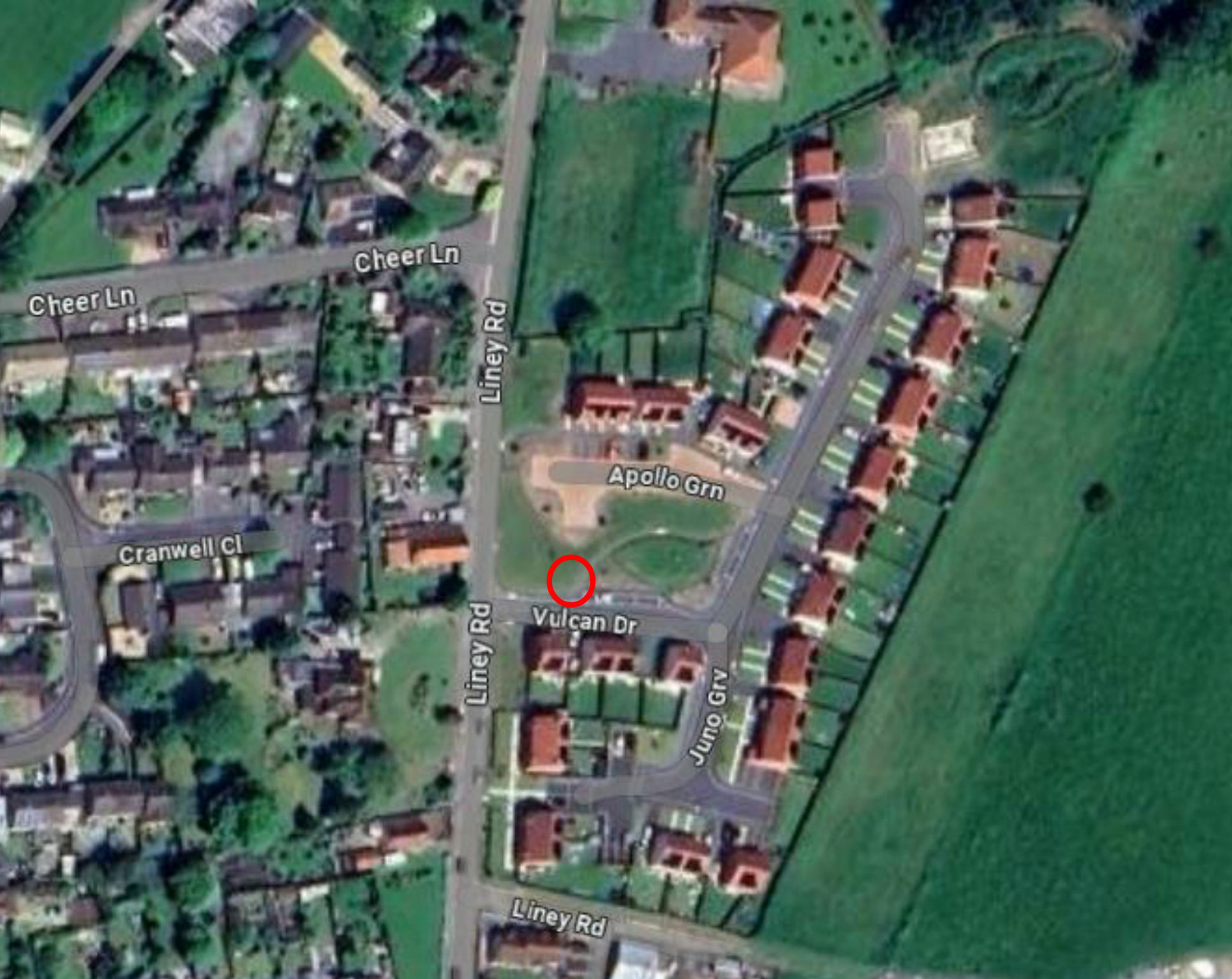
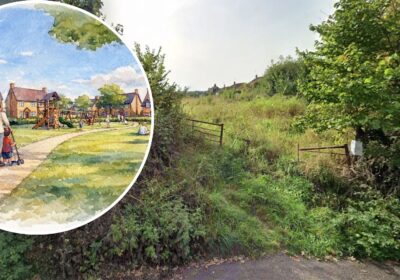
The application site Picture: Boon Brown
The Battle of Sedgemoor
The battle itself was last and most decisive clash in the three-month long fight between the rebels led by the Duke of Monmouth against the Kingdom of England.
The Duke of Monmouth James Scott, a Protestant who was the illegitimate son of Charles II, was looking to seize control of the throne from his Roman Catholic uncle, King James II.
Monmouth was said to be popular with a large section of the English public as his rebellion was seen as a way to regain religious and political rights which had been progressively eroded since the Restoration of Charles II.
After first arriving at Lyme Regis in Dorset, the rebels failed to take Bristol and fell back to Bridgwater.
Monmouth’s path was blocked by the royal army encamped on Sedgemoor and so he launched a late night surprise attack across marshland – north of Westonzoyland.
This proved to be his undoing as despite efforts to remain covert, royal scouts stumbled across the rebels and a messenger was sent to the royal camp to sound the alarm.
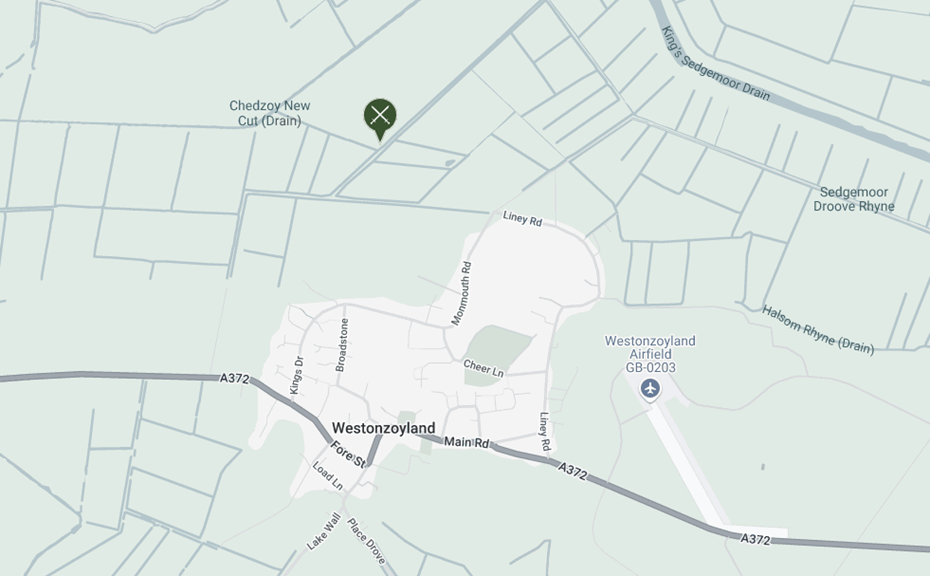
The location of the battle Picture: Battlefield Trust
Monmouth’s cavalry was sent forward but as the horses were not militarily trained, they were spooked by gunfire and fled.
This left just untrained foot soldiers to face-off against professional royal soldiers.
A massacre soon followed and the rebels lost. Despite Monmouth himself escaping the battlefield, he was subsequently captured before being executed in London just nine days later.
Click here for more planning news from your Somerset Leveller.




Leave a Reply