


THE most expensive treasure find ever – more than 2,500 silver pennies from the time of the Norman Conquest found by metal detectorists in the Somerset countryside – has been acquired for the nation.
Valued at around £4.3 million, the hoard has been purchased by the South West Heritage Trust thanks in part to funding from the National Lottery and Art Fund.
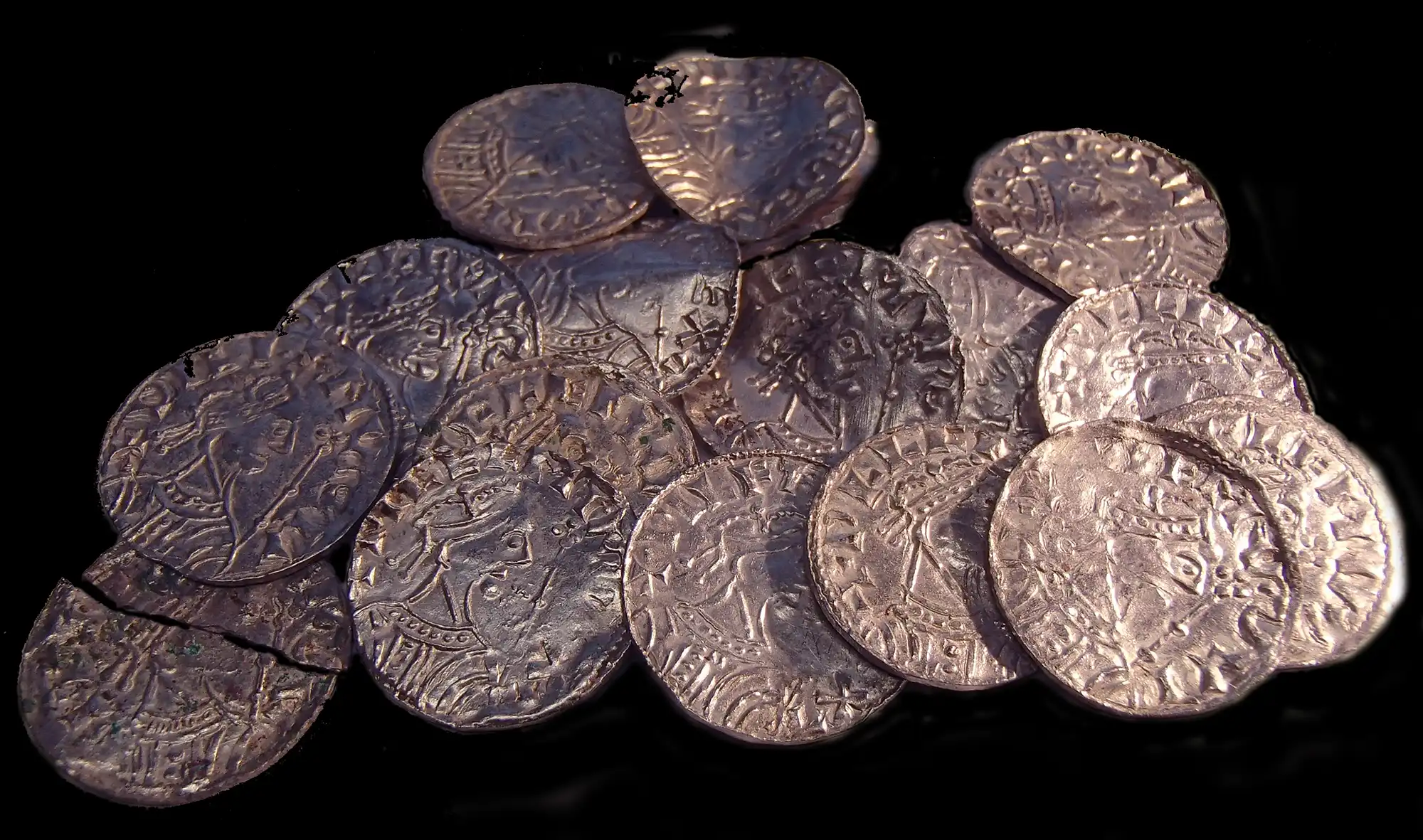
It is made up of some 2,584 silver pennies from the period around 1066 to 1068, likely buried for safekeeping in the turmoil of the Conquest.
More than £4.4m was given in a grant from The National Lottery Heritage Fund and £150,000 from Art Fund, alongside smaller but vital grants from the Friends of The Museum of Somerset and the Somerset Archaeological and Natural History Society.
On November 26, coins from the hoard will go on display at the British Museum, before being shown at museums across the UK, including in Bath, before finding a permanent home at the Museum of Somerset, in Taunton.
The hoard is one of the most remarkable finds reported under the Treasure Act 1996, administered by the Treasure Registry at the British Museum on behalf of the Department for Culture Media and Sport.
It was discovered on January 26, 2019, by seven finders while metal detecting in the Chew Valley area of Somerset.
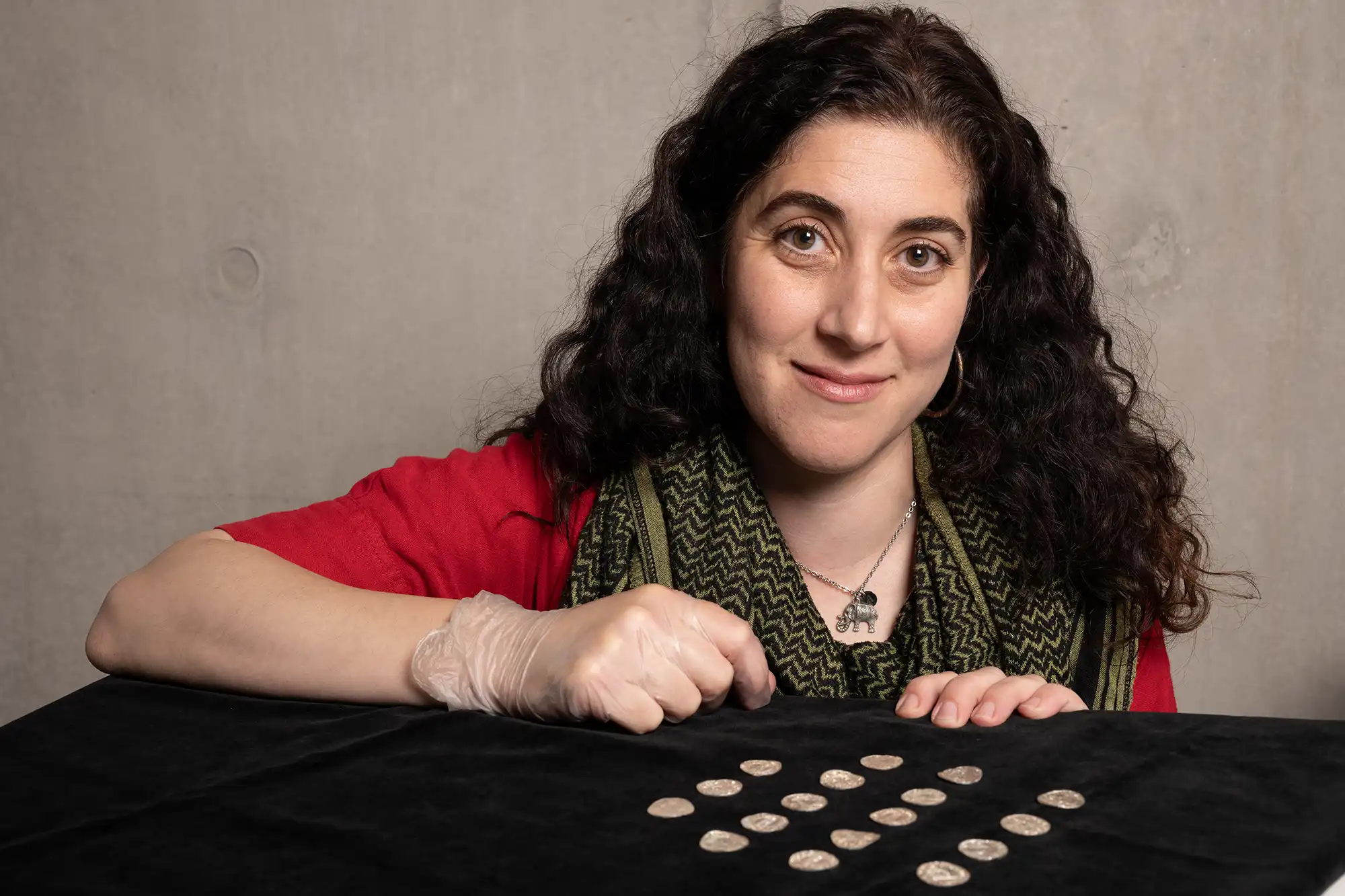
SWHT curator of archaeology, Amal Khreisheh, with some of the coins. Picture: SWHT
They reported the find via the British Museum’s Portable Antiquities Scheme, which records archaeological finds made by the public and also handles the local reporting of Treasure finds.
The hoard comes from a turning point in English history, covering the transition from Saxon to Norman rule marked by 1066 and was probably deposited for safekeeping during rebellions in the southwest against the new Norman king, William I (William ‘the Conqueror’).
It is famously recorded that “Exeter was the first town to fight for its liberty” against Norman rule.
Represented on just under half the coins is Harold II (1066) the last crowned Saxon king of England, with just over half featuring William I (1066-1087).
At the @britishmuseum this morning for the launch of the #ChewValleyHoard – one of the most significant treasure finds from British history now acquired by @SWHeritageTrust. Great to hear from Arts Minister, @RhonddaBryant on the importance of preserving our cultural heritage🪙 pic.twitter.com/7mG1MANMVe
— Art Fund (@artfund) October 22, 2024
Heritage Minister, Sir Chris Bryant, said: “This remarkable hoard gives us unique insight into our country’s rich history and one of the most important moments in our history, when these islands were thrown into turmoil by the Norman Conquest.
“The Treasure Act 1996 ensures that these coins, dating back to 1066, will be displayed in Museums across the UK before residing in Somerset, giving people from different regions the opportunity to see this extraordinary treasure, learn more about our past and protect this part of our heritage for future generations.”
Sam Astill, chief executive of the South West Heritage Trust, said: “The hoard symbolises a pivotal moment in English history and we are delighted to have made this acquisition so that it may be enjoyed by generations to come. It highlights the power of museums, collections and stories to inspire people and communities and has been made possible thanks to a wide range of partners working together to ensure our heritage is protected and accessible for everyone.”
The South West Heritage Trust has been awarded £4,420,527 by The National Lottery Heritage Fund to acquire the hoard and will be able to apply for a further grant at a later date for an engagement programme and the permanent display of the hoard at the Museum of Somerset.
Eilish McGuinness, chief executive of The National Lottery Heritage Fund, said: “We are delighted to support the acquisition of the Chew Valley Hoard, and the plans to share its fascinating heritage with audiences across the UK before it returns to the South West where we are funding a permanent home at the Museum of Somerset.
“The National Lottery Heritage Fund celebrates its 30th anniversary next month so it is incredibly exciting that this treasure will be part of the story of three decades of National Lottery funding for heritage.
“Thanks to funding from National Lottery players this incredible hoard will be valued, cared for, and sustained, for everyone, now and in the future.”
READ MORE: How a Somerset metal detectorist struck gold – after being late!
And Jenny Waldman, director at Art Fund, added: “The Chew Valley Hoard is one of the most significant finds from the Norman Conquest, shedding new light on a fascinating period in English history.
“We’re thrilled to have supported the Museum of Somerset to acquire this remarkable addition to their collection, for local people and visitors to enjoy now and in the future.”
Collections cared for by the South West Heritage Trust are permanently owned by Somerset Council.
Leader, Cllr Bill Revans, said: “We are absolutely delighted to bring the Chew Valley Hoard to the people of Somerset.
“The county has a rich heritage and this acquisition will help bring history to life; residents and visitors will be able to engage with the hoard through learning activities and workshops.
“As a former history teacher, I am excited by the educational benefits that seeing the Hoard in the Museum of Somerset will bring to generations of school children. We look forward to seeing this remarkable collection of coins inspire programming and participation in a variety of community spaces and welcoming the permanent display at the Museum of Somerset in Taunton.”
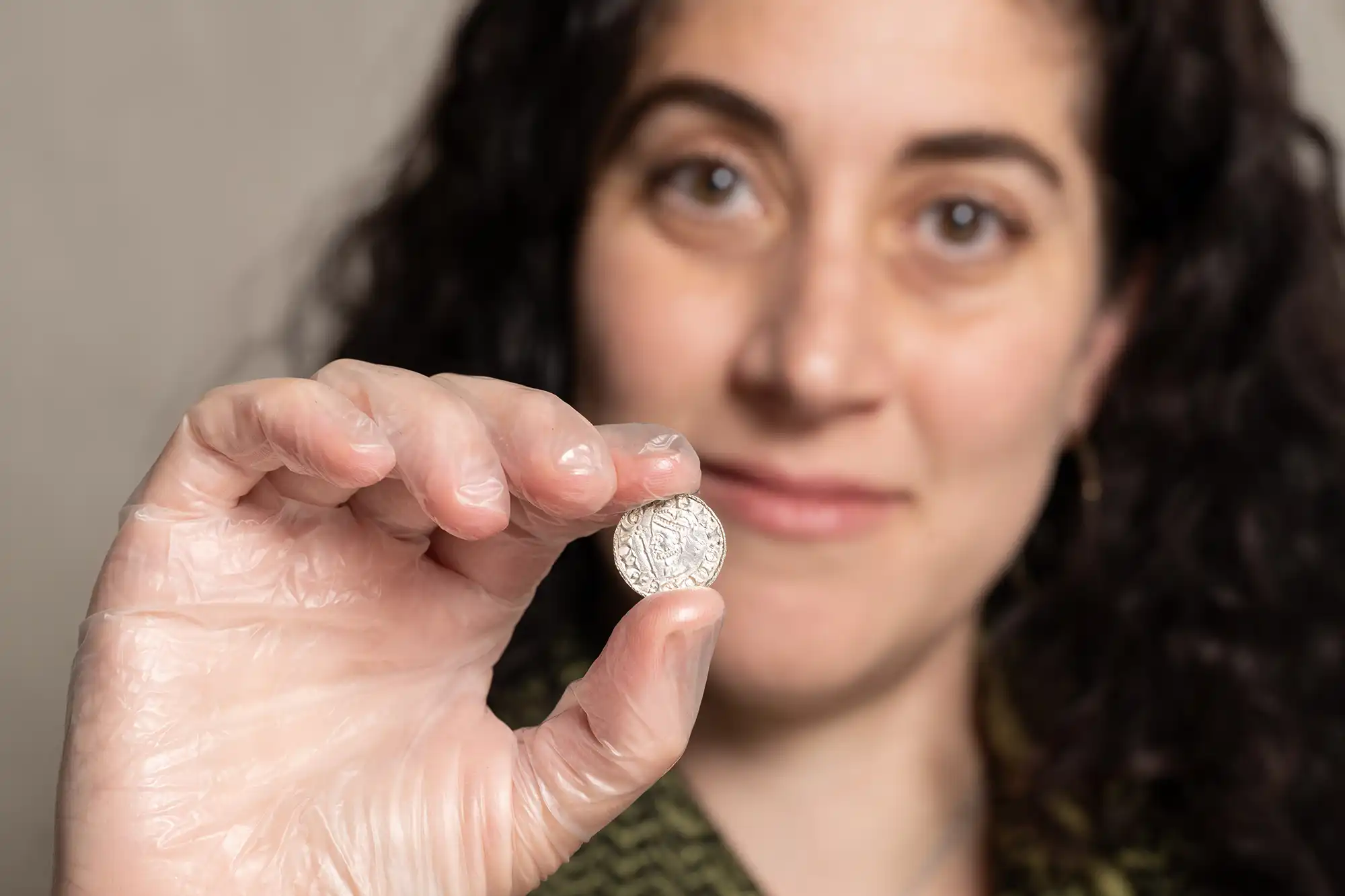
SWHT curator of archaeology, Amal Khreisheh, with one of the coins. Picture: SWHT
Michael Lewis, head, portable antiquities and treasure, said: “We are delighted the Chew Valley Hoard has been acquired by the South West Heritage Trust and that our visitors have the chance see it here in London first before it returns home to the Museum of Somerset.
“This incredible acquisition again underlines the importance of the Portable Antiquities Scheme in preserving our nation’s heritage. I want to extend thanks to the British Museum conservators and curators who worked on this project – we are proud of our role in its journey from discovery to display.”
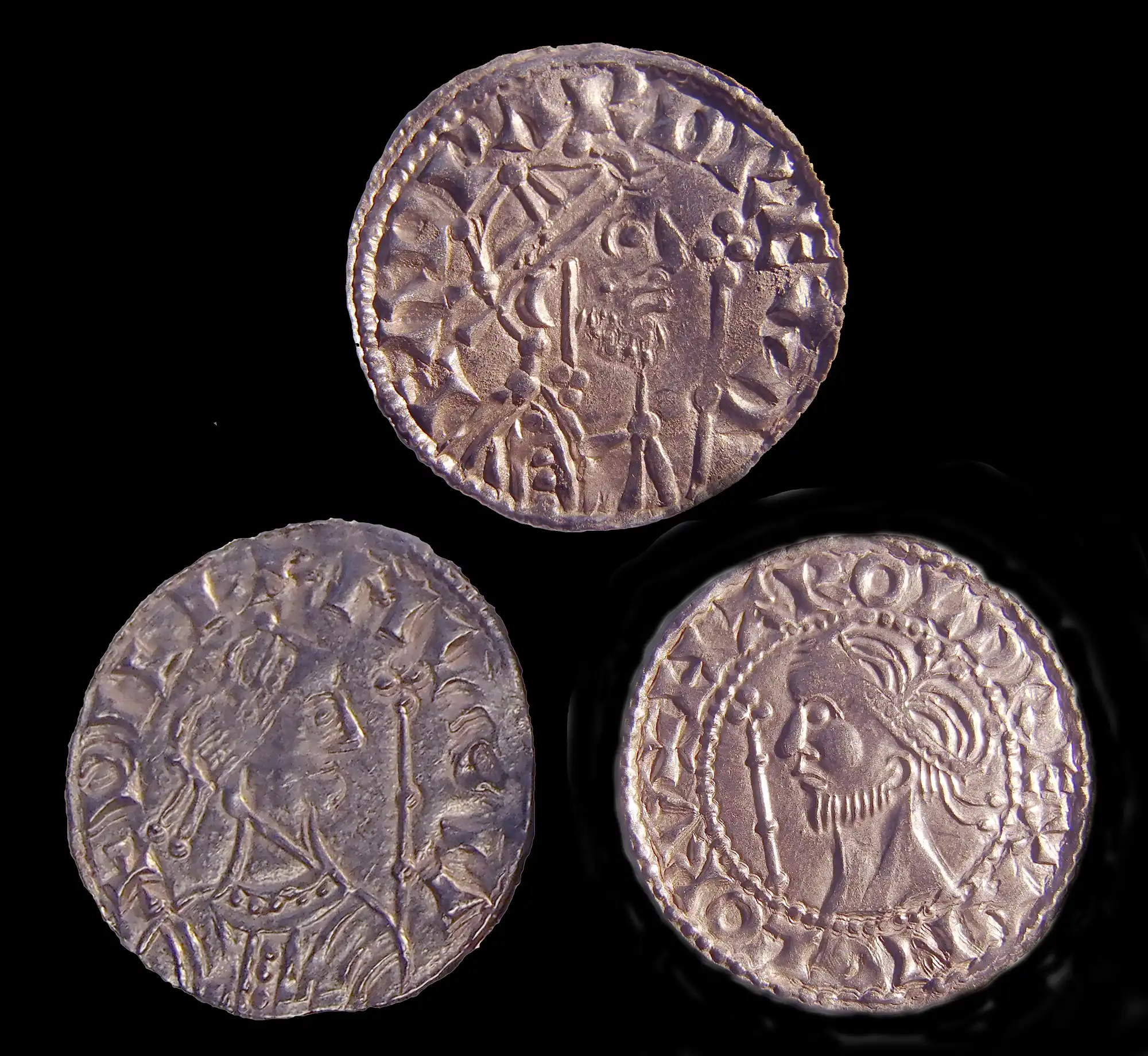
Coins bear the image of issuers Edward III, Harold II and William I. Picture: British Museum






Strange how these professionals all congratulate themselves but can’t spare a single word of praise for the detectorists and the landowner who made all this possible.