


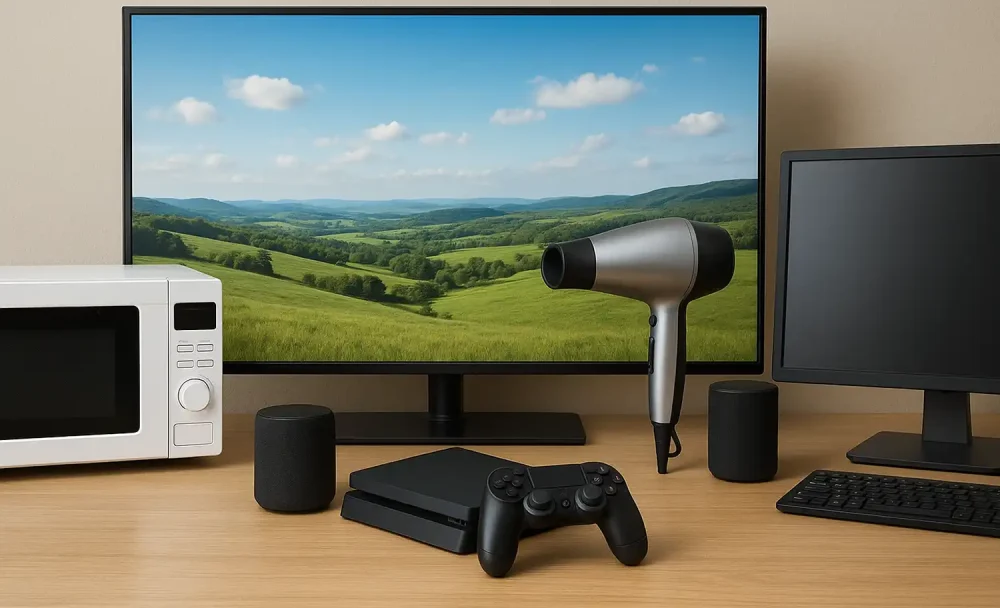
WE are all often to be found – particularly in the midst of a cost-of-living crisis – scouring the house for any signs of plugs in the ‘on’ position, or appliances left in standby mode.
“It’s like Blackpool illuminations in here,” my mum used to shout, as she switched off another light.
Bill fear is real. And now, help is at hand as we try to control energy costs.
The Energy Saving Trust (EST) says heating our homes makes up the largest proportion of our energy bills (around 40%), but appliances are not insignificant in the amount we pay each month.
Washing machines, dishwashers and tumble dryers can account for 14% of a typical energy bill, while fridges and freezers take up around 13%.
Others, such as TVs and laptops, make up about 6%, while lighting accounts for around 5%.
Now, property website Right Move has put together a list of the appliances that use the most energy – adding the most to our bills.
However, always be aware the more energy-efficient your appliance is, the less it costs to run, and vice versa, so figures can never be 100% accurate.
READ MORE: Technology news from your Somerset Leveller
Right Move ranks home appliances’ energy usage as follows:
Red category: High-energy appliances
Electric shower: £2.20 per hour
The electric shower is the most energy-intensive appliance in many homes. Based on typical usage of about 144 hours per year, electric showers cost around £315 to run annually. Trying to keep your showers to four minutes or less could drastically reduce your energy bill.
Electric oven: £1.10 per cooking cycle
Using your electric oven costs about £1.10 per cooking cycle. The yearly cost will depend entirely on how often you use it, but for a family cooking daily, this could easily add up to more than £400.
Air fryer: £0.68 per cooking cycle
While still in the red category, an air fryer uses significantly less energy than a standard electric oven. For a household using it once daily, this would amount to about £250 per year.
Incidentally, if possible, cooking on the hob is considerably cheaper than using an air fryer or an oven, while using a microwave is cheaper still.
Portable heater: £0.49 per hour
Portable electric heaters might seem like a convenient way to warm up a single room, but with typical usage of around 487 hours per year, they cost around £238 to run.
Hair dryer: £0.49 per hour
Hair dryers use a lot of power in short bursts. Based on average use of 122 hours annually, they typically cost around £60 per year to run, despite only being used for a few minutes at a time.
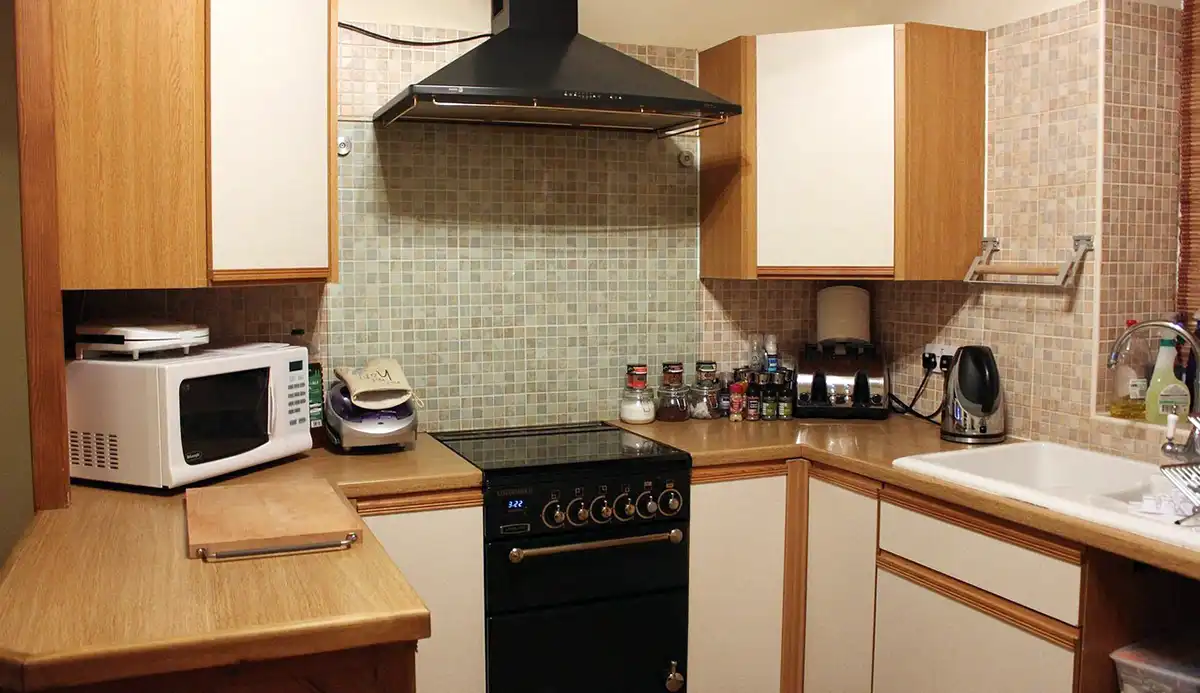
Which kitchen appliances – and how they are rated – could make a big difference to your energy bill…
Amber category: Medium-energy appliances
Iron: £0.34 per hour
With typical usage of about 61 hours annually, irons cost around £21 per year to run, despite their relatively high power consumption.
Tumble dryer: £0.34 per hour
Tumble dryers are among the more energy-hungry regular appliances. Used for an average of 390 hours per year, they typically cost around £131 annually, making them one of the most expensive regular-use appliances in most homes.
Toaster: £0.28 per hour
A toaster typically sees about 91 hours of use annually, which translates into a yearly cost of around £26.
Coffee machine: £0.27 per hour
Your morning coffee fix adds up over time. With average use of 263 hours per year, a coffee machine typically costs around £71 annually to run.
Vacuum cleaner: £0.21 per hour
Despite their powerful motors, vacuum cleaners are typically only used for around 73 hours per year. This converts into a modest annual cost of approximately £15.
Dishwasher: £0.14 per hour
Used for an average of 439 hours annually, dishwashers typically cost around £60 per year to run. In many cases, this can be much more economical than washing up by hand, depending on factors like water temperature and washing methods. And an A-rated dishwasher over an E-rated one could save around £210 over its 11-year lifetime.
Washing machine: £0.08 per hour
Washing machines see substantial use in most homes – around 494 hours per year on average. Despite this, their yearly energy cost is typically only around £38, largely thanks to improved efficiency and washing at cooler temperatures.
Electric hob: £0.11 per use
Gas hob: £0.06 per use
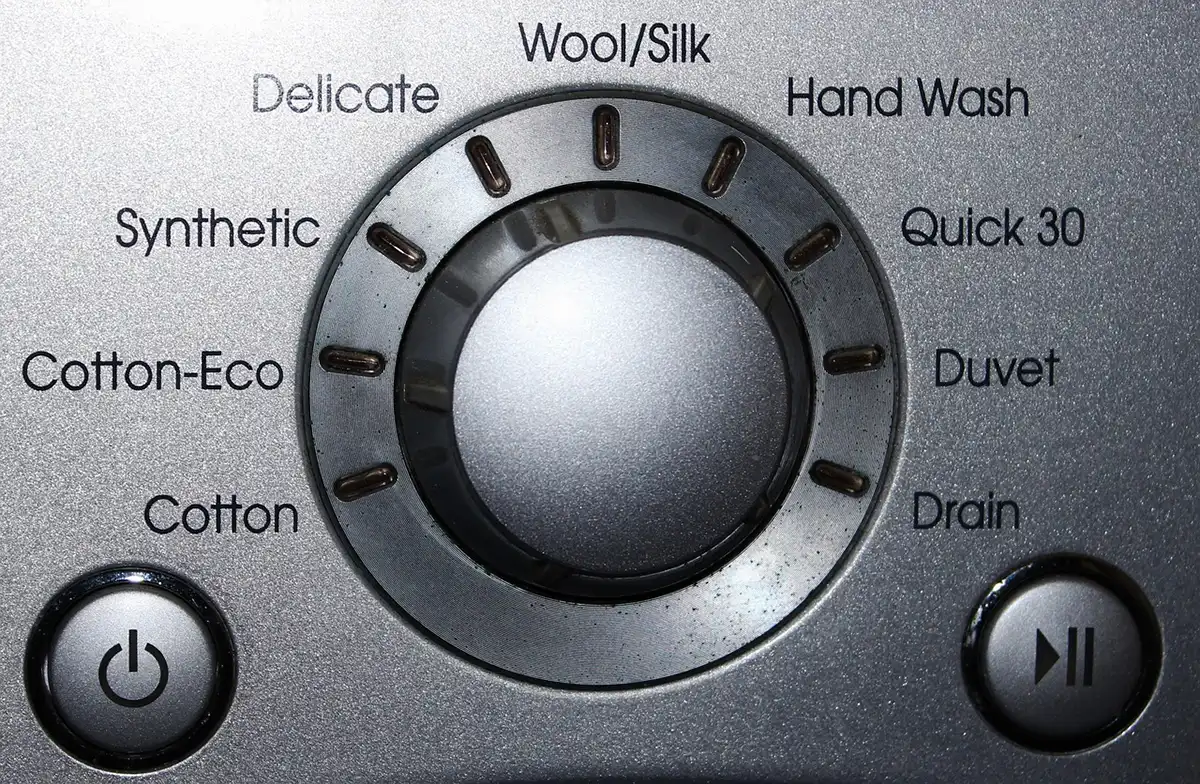
The cycle you use to wash your clothes can make a difference to your energy bill
Green category: Lower-energy appliances
Electric blanket: £0.04 per hour
Electric blankets are used extensively during colder months and get around 2,190 hours of use each year. Despite their long running times, at around £89 annually, they cost far less than heating a room with a portable heater.
Microwave: £0.04 per cooking cycle
Microwaves are much more energy-efficient than conventional ovens, and even air fryers, and cost just £0.04 per cooking cycle on average.
Computer: £0.03 per hour
With average use of around 913 hours annually, computers typically cost about £31 per year to run.
Games console: £0.03 per hour
Games consoles, used for an average of 526 hours per year, typically cost around £15 annually in electricity – a relatively small amount considering the hours of entertainment they provide.
Fridge-freezer: £0.03 per hour
Fridge-freezers run continuously, yet modern energy-efficient models only cost around £57 a year to run. Energy efficiency ratings make a big difference. Choosing an A-rated fridge-freezer over an E-rated model could save around £360 and 420kg of carbon dioxide over a 17-year lifetime.
TV: £0.02 per hour
The average TV runs for about 2,006 hours per year and costs approximately £41 annually – about 2p per hour of viewing. Screen size matters when it comes to energy consumption, however, with a 55″ TV costing around £7 less than a 65″ TV each year. Energy ratings are also important. An E-rated TV – compared to a G-rated model – could save around £140 over the TV’s lifetime.
Kettle: £0.02 per use
Half filling your kettle twice daily, home cuppas add about £15 to energy bills over the course of a year.
Internet router: £0.002 per hour
Like fridge-freezers, internet routers typically run 24/7, yet they only cost around £18 per year to operate.
Smart speaker: £0.001 per hour
Despite being on standby permanently and used for an average of 518 hours per year, smart speakers use a remarkably low amount of energy. They typically cost less than £1 annually.








Leave a Reply