


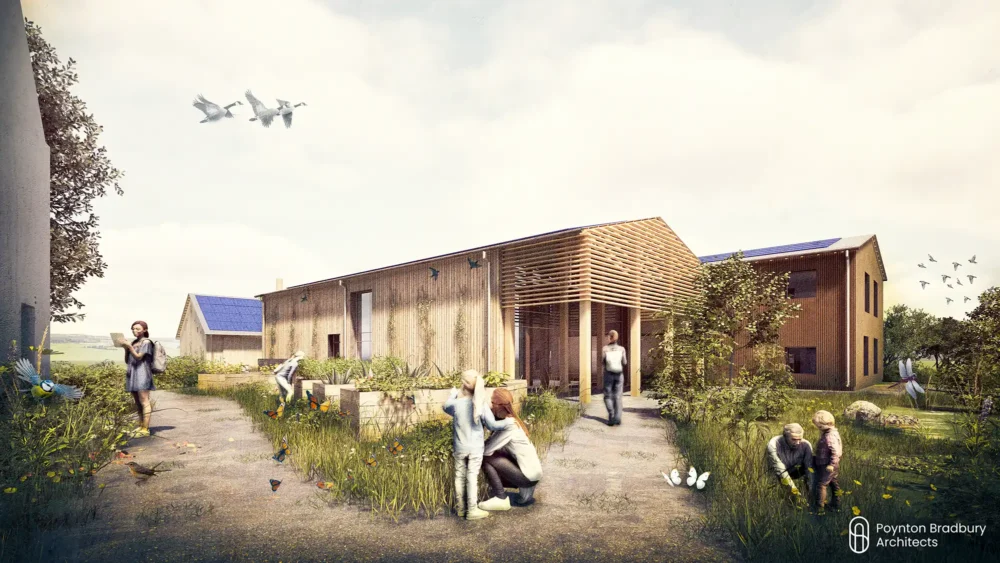
PLANS for a world-leading environmental research centre on a former dairy farm near Glastonbury have been submitted.
The Somerset Wildlife Trust (SWT) has submitted a planning application to create a facility at Honeygar Farm, at Westhay, having bought the site in 2021.
It outlines a “sensitive conversion and redevelopment of existing farm buildings to create a nationally significant, world-leading research and teaching facility focused on lowland peatland restoration”, a spokesperson said.
“The proposals are designed to support research, learning and collaboration that will help address urgent challenges including climate change, water quality, flood risk, food security and biodiversity loss related to lowland peatlands,” they went on.
Honeygar is on the Somerset Levels and Moors, one of the few areas in the UK that still holds deep lowland peat, with SWT allowing the sites to recover naturally since buying the land, with low-intensity grazing and stabilising water levels for peatland restoration.
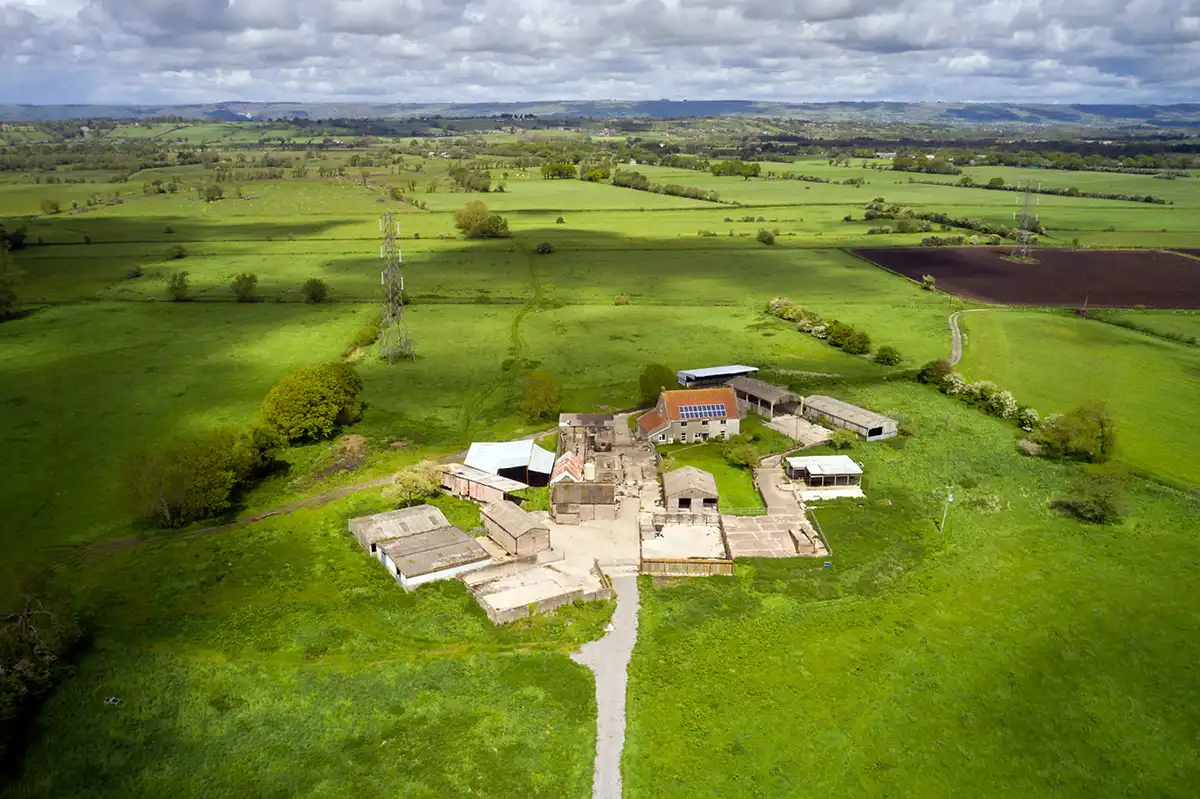
SWT bought Honeygar in 2021. Picture: Michael Holman/Red Forge Studios
Experts have also been carrying out “extensive monitoring to better understand how lowland peatlands can be protected and restored for the benefit of nature, climate and people”.
Peatland covers just 3% of the Earth’s land surface, storing more carbon than all of the world’s forests combined.
But such sites are under-valued, the SWT says, with the majority of the limited research and restoration undertaken has focused on upland sites.
The spokesperson went on: “Honeygar offers a rare opportunity to generate robust, real-world evidence about how lowland peatlands, such as those across the Somerset Levels, can be managed in ways that support wildlife, sustainable land use and local economies.
“The site is already well used by universities, academics and researchers conducting studies on everything from tiny soil microbes to the impact of shifting weather patterns.”
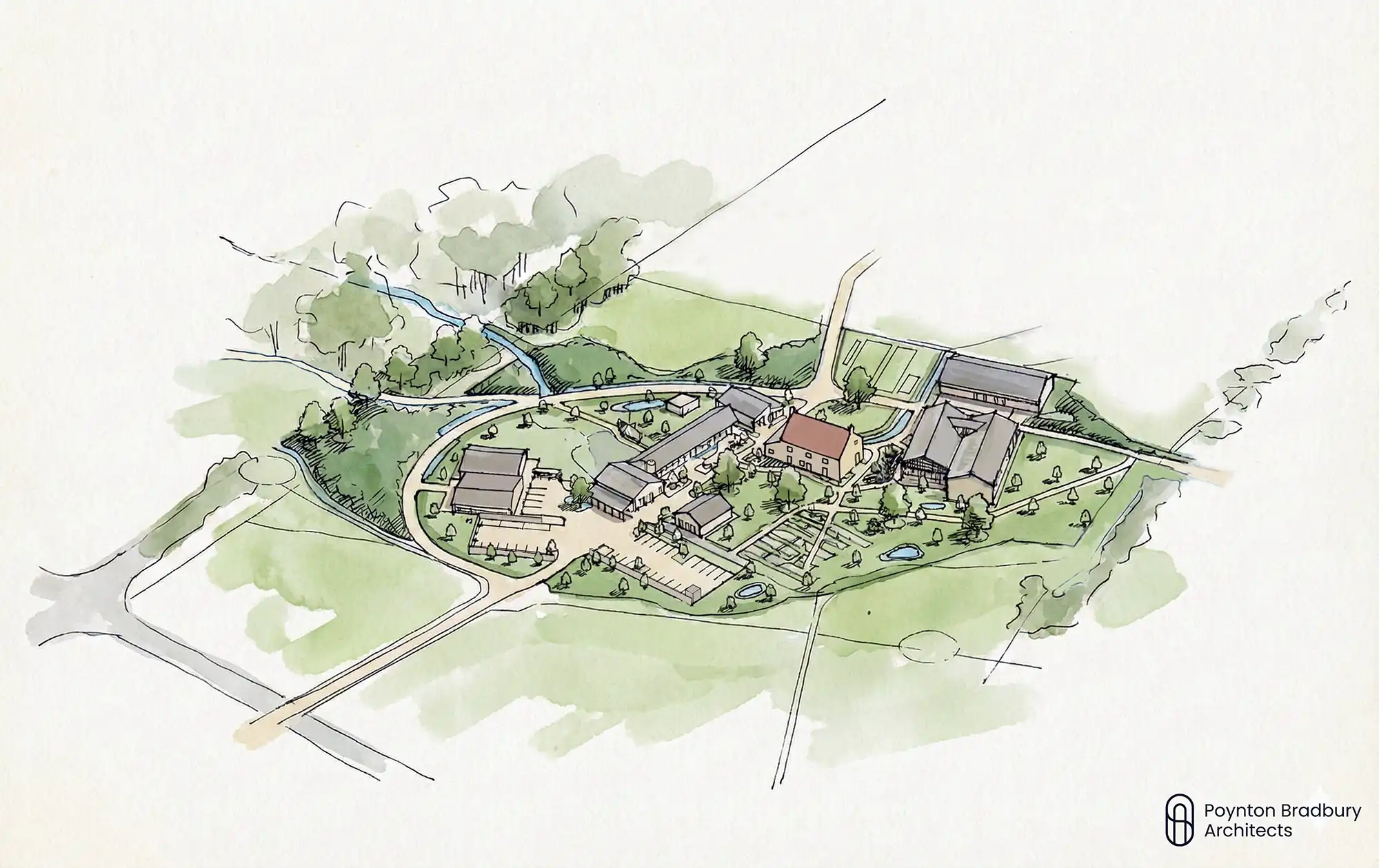
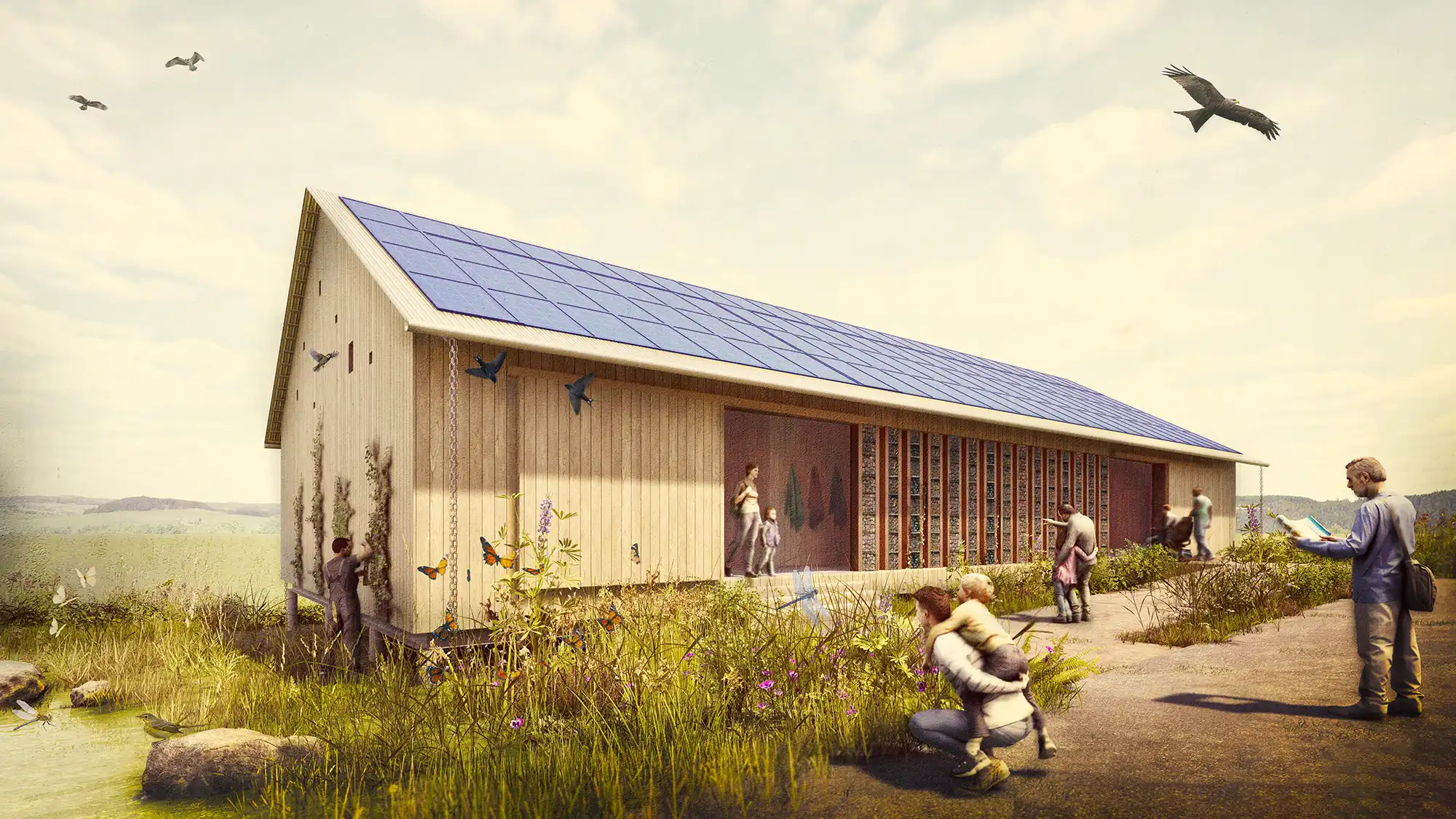
The scheme would include a range of facilities for study and for the public. Picture: Poynton Bradbury Architects
Georgia Dent, CEO at SWT, added: “This planning application marks the next step in our long-term commitment to Honeygar Farm.
“We want Honeygar to become an internationally recognised hub for research, innovation, and collaboration – testing and gaining a better understanding of how peatlands can be managed to support nature, communities and local economies.
“We know how important and precious peatlands are, and that sensitive management can help find solutions to some of our biggest challenges such as adapting to climate change and improving water quality.
“Honeygar will bring researchers, academics, land managers and conservationists together with businesses, land agents and other professionals to collaborate, share learning and rise to the challenges we face locally and nationally.”
She said this next stage in Honeygar’s development would provide “real benefits to Somerset”, including boosting the county economy through the use of contractors and businesses in construction and operation, “creating jobs and providing a wide range of training opportunities”.
“Designed in consultation with communities, local people will benefit from enhanced public access along a circular walk with viewing areas and public toilets,” Georgia went on.
“The plans also include spaces to hire and the restoration of the existing orchard for community benefit using traditional techniques and local species.
“We’re really excited about this next step in our plans for Honeygar.”
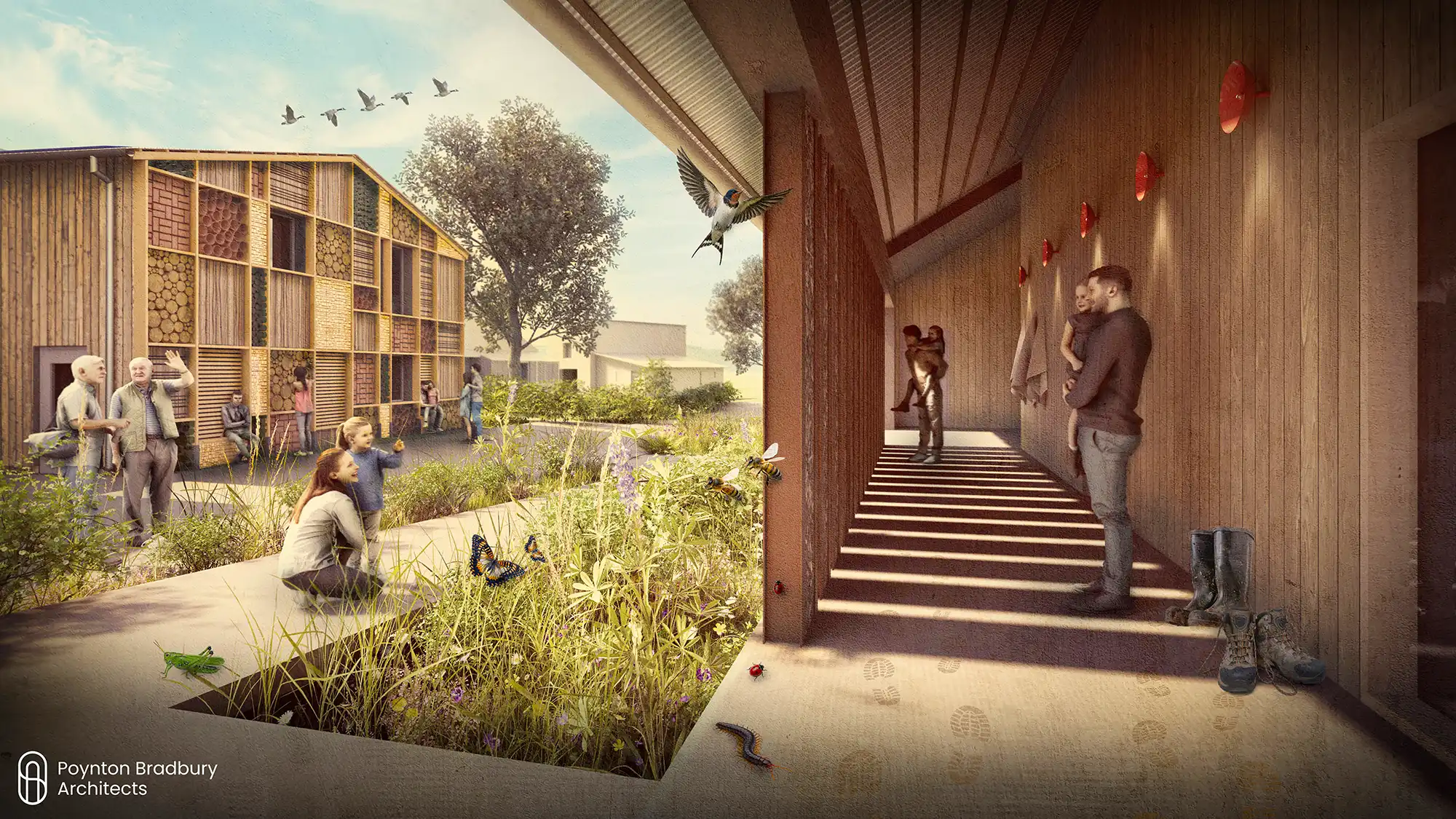
Adam Preece, Honeygar project manager for SWT, said: “We set our design team the challenging goal to design a sustainable, resilient, and delightful place for students, academics and other partners to carry out their studies.
“We asked for energy and water efficient buildings that are able to withstand flooding, power cuts and increasing temperatures. We wanted to use sustainable materials, including those already on site wherever possible, and we asked for all buildings to create space for nature from the outset.
“We’re delighted with how the team has responded to that brief and really proud of the scheme that we have submitted.”
And Chris Beaver, the charity’s planning advisor, added: “The application proposal has been informed by technical studies across a range of disciplines and a process of engagement with Somerset Council, the local community and other key local stakeholders.
“The finalised proposals outline a rural diversification project that creatively reuses former agricultural buildings and proposes sensitively designed new buildings and landscaping which will retain the rural farmstead character of the site.”
Somerset Council will now consider the application.
READ MORE: Six-metre wildlife tower at former Somerset dairy farm approved
READ MORE: Glastonbury news from your Somerset Leveller






Leave a Reply