


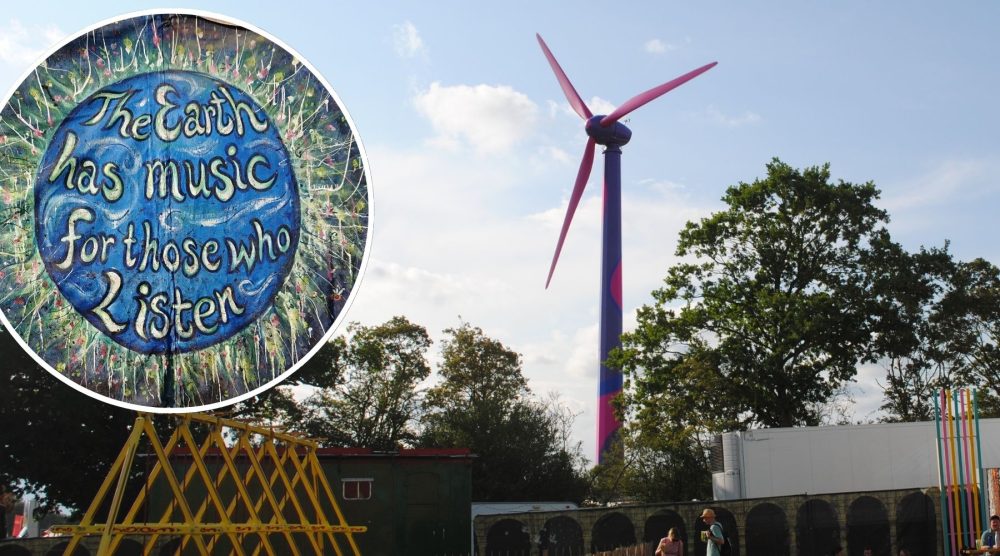
NO fossil fuels are used to generate power on the Glastonbury Festival site.
That is just one of a range of eco-friendly claims the event has revealed, as it gears up to open gates to hundreds of thousands of punters next week.
The festival, which spans more than 900 acres of Somerset countryside centred on Worthy Farm in Pilton, has long been at the forefront of environmental issues.
Now, organisers have released a number of achievements as part of its long-running ‘Love the farm, leave no trace’ campaign.
Eco-achievements include 98% of all tents taken home at each Glastonbury since 2019, and the legendary Green Fields being run on solar, wind and pedal power since 1984, “setting a fossil-free standard we aspire towards implementing across the festival”.
READ MORE: Glastonbury Festival news from your Somerset Leveller
Other environmental facts the Glastonbury Festival has revealed are:
- Exclusively supporting Fairtrade-certified coffee, sugar, tea, drinking chocolate and cotton on-site and in the online store
- Supporting charity partners Greenpeace, Oxfam and WaterAid, as well as others raising “awareness of humanitarian, social and environmental issues”
- Using a fleet of electric and hybrid vehicles to transport crew and artists
- Installing a temporary wind turbine, as well as a battery and solar system during the festival to power food stalls in Carhenge
- Utilising clean energy from Worthy Farm’s own 250kWp solar array, anaerobic digester and 125kVA biogas plant to power festival offices and some production areas, as well as helping charge battery systems
- Ensuring all crockery and plates used during the festival are reusable or compostable, with inedible food waste turned into fertile compost or sent for anaerobic digestion
- All production areas powered by lower-impact, fossil-free electricity, or solar and battery hybrid systems
- Hosting the UK’s largest event-run recycling facility, hand separating waste to avoid creating landfill
- Banning the sale of single-use plastic drink bottles on-site, as well as all crisps being sold in compostable packaging
- Running all generators on responsibly-sourced virgin palm oil-free HVO fuel made from waste cooking oil, reducing direct CO2 emissions by up to 90%
- Running sustainable travel initiatives to support festival goers arriving by bike or public transport
“Sustainability has always been at the heart of Glastonbury Festival, and we will keep trying to make our festival – and our world – a better place for everyone,” a spokesperson said.
“Respect for our environment and each other is what it takes to be truly sustainable.”
READ MORE: Glastonbury goers offered discounts at Somerset attractions
READ MORE: Sam Ryder and more taking the train to Glastonbury 2025
READ MORE: SPECIAL REPORT: How the Glastonbury Festival helps Somerset shine
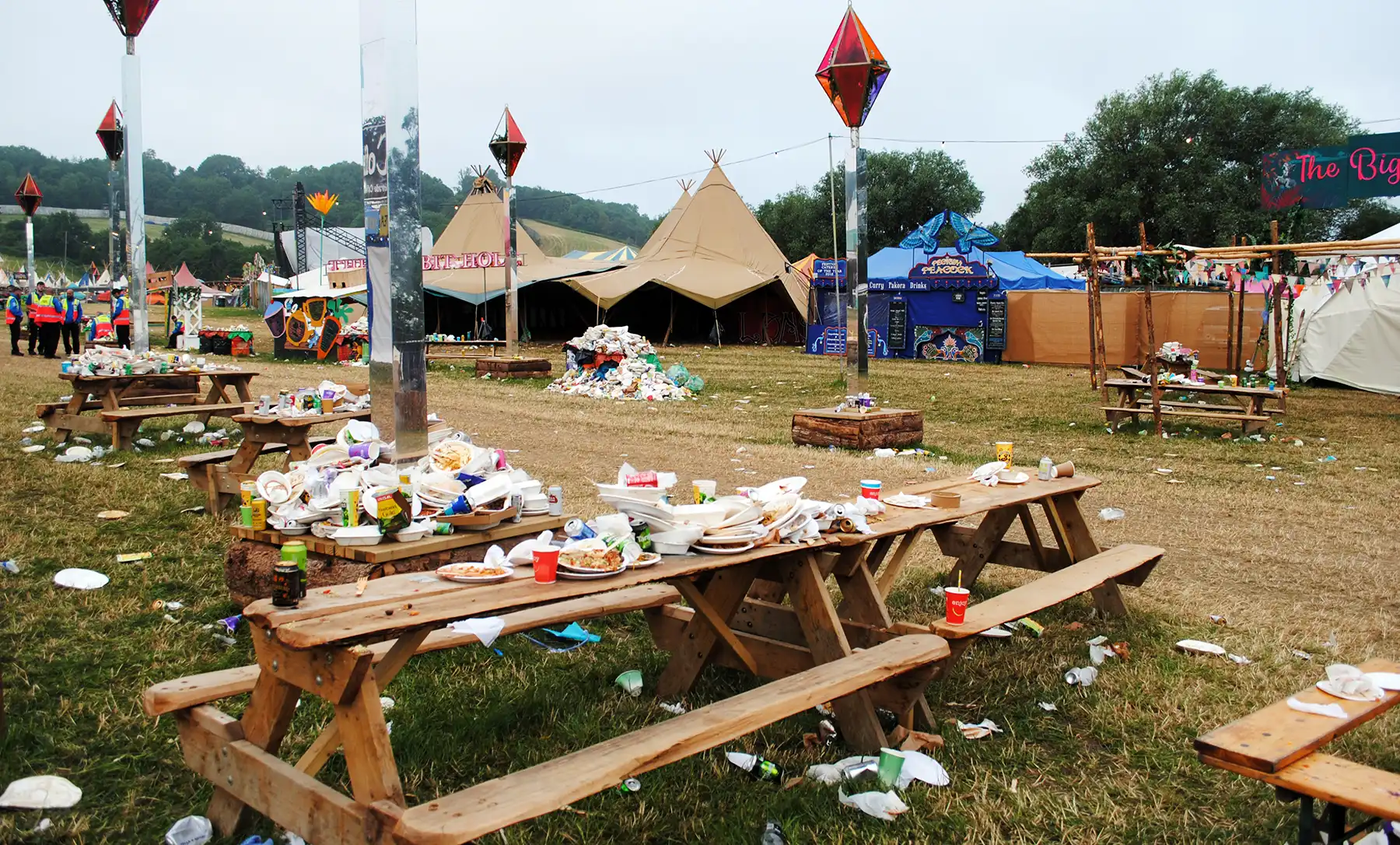
Tonnes of waste and rubbish is hand-sorted before being composted, reused or recycled at Glastonbury each year. Picture: Paul Jones/Somerset Leveller








Leave a Reply