


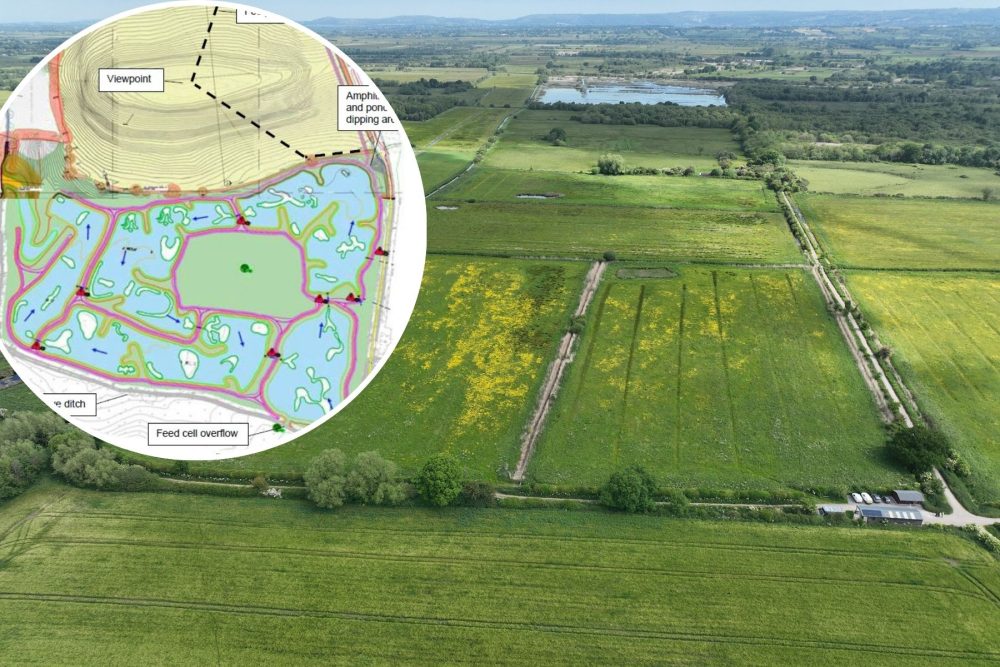
A £5 MILLION project to create new wetlands has been unveiled in a bid to cut harmful nutrients on the Somerset Levels and Moors.
Wessex Water, together with sister engineering and construction firm YTL Construction, has revealed ambitious proposals to create a new Integrated Constructed Wetland.
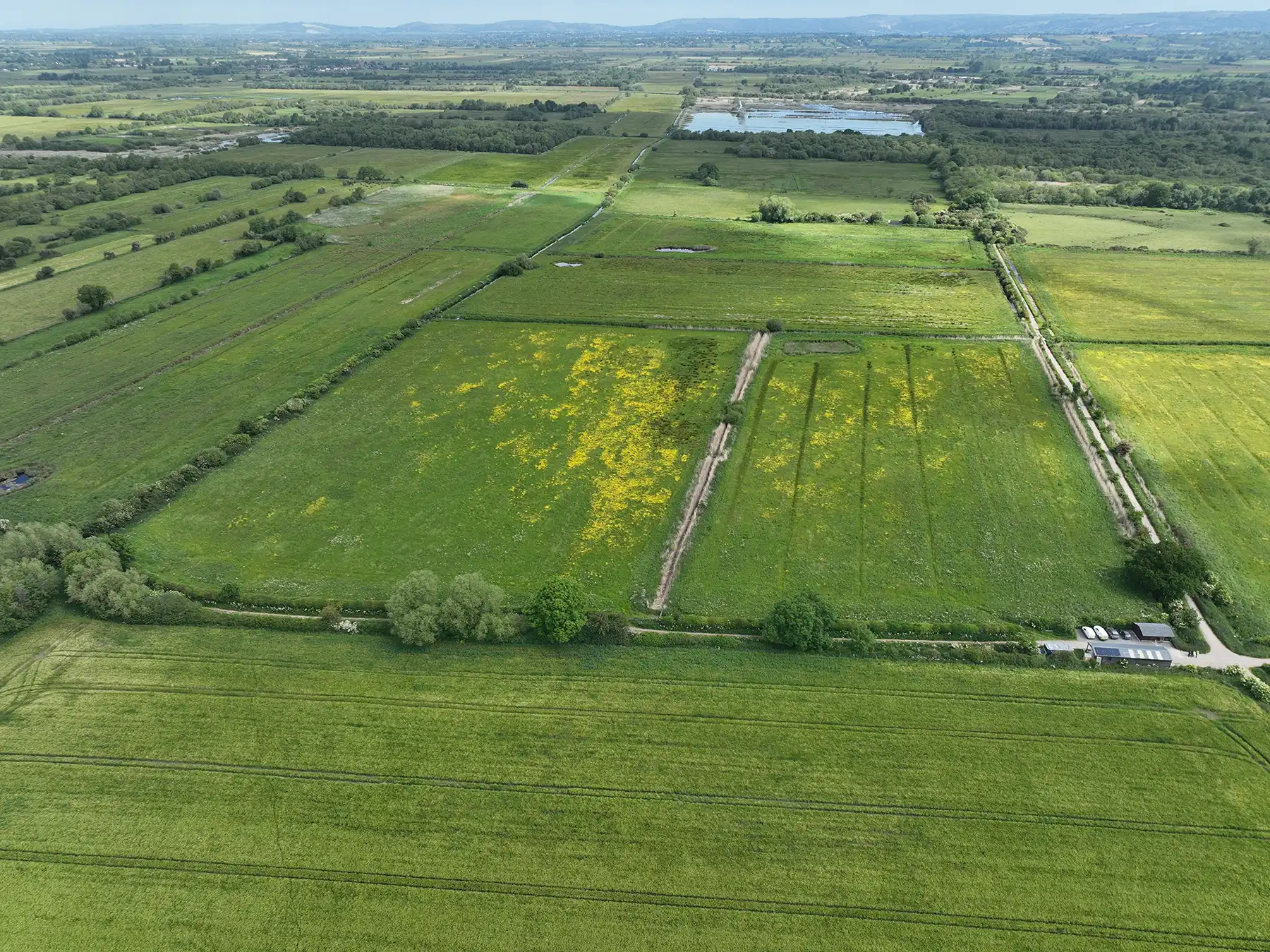
The site – 25 hectares of land owned by Wessex Water near the Hawk and Owl Trust’s nature reserve near Shapwick, between Glastonbury and Bridgwater – would be created in partnership with organisations such as Natural England and the Environment Agency.
The two-part site would see the creation of an Integrated Constructed Wetland and a new grassland site, Wessex Water said, with the aim to create a “haven for wildlife under the stewardship of the Hawk and Owl Trust within the Somerset Wetlands National Nature Reserve”.
The wetland also aims to reduce the concentration and impact of nutrients in agricultural run-off, the flow of which would travel through the wetland system, using natural physical, chemical, and biological processes to treat and improve water quality.
READ MORE: Environmental news from your Somerset Leveller
Nutrients, which can come from agricultural fertilisers, farm slurries, septic tank discharges and domestic wastewater, can cause large growths of algae and floating plants, such as duckweed, in slow-moving watercourses like those in the Somerset Levels and Moors.
They can damage plants and animals through a variety of effects, including oxygen depletion – a process known as eutrophication.
Unlike typical treatment wetlands, Integrated Constructed Wetlands can appear as naturalised systems as they are designed to integrate into the surrounding environment. They provide additional benefits such as water flow regulation, enhanced biodiversity and wildlife habitats, as well as recreation space.
The wetlands are being explored as alternatives to treat a variety of water sources such as farm runoff, wastewater or, as in this case, river water.
The proposals will now be scrutinised by Somerset Council planners and, if successful, the six-month construction project would get under way in the summer of 2026.
Wessex Water senior environmental scientist, Lorraine Isgar, said: “We’re committed to working with partners to explore options for natural treatments to improve the quality of water in our rivers and streams and this exciting project would test their effectiveness.
“This Integrated Constructed Wetland aims to reduce nutrients, in particular phosphorus, before reaching the local watercourse that feeds the Catcott, Eddington and Chilton Moors Site of Special Scientific Interest (SSSI), part of the wider Somerset Levels and Moors, as well as provide additional benefits to wildlife and people.
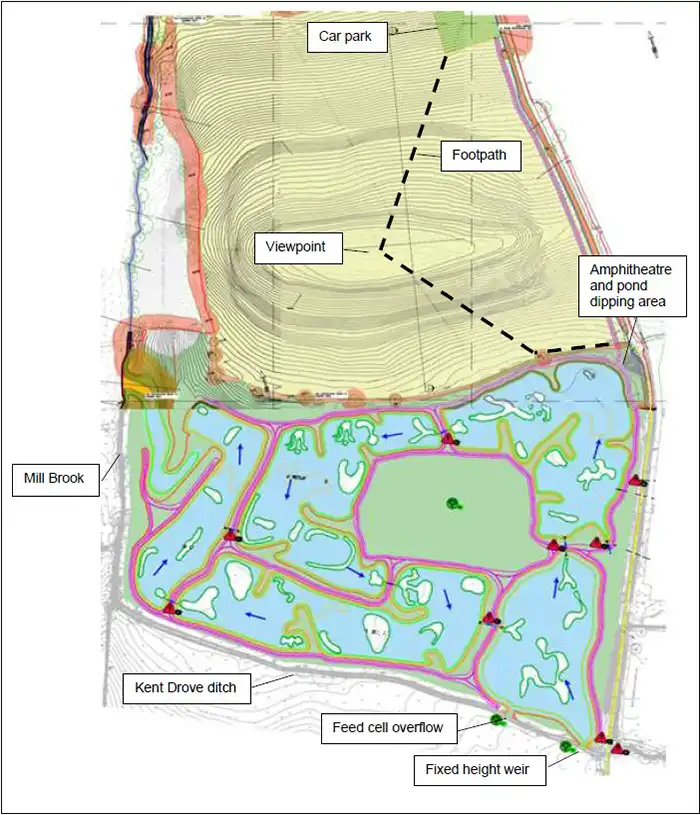
“The proposed 13-hectare wetland system will divert flows from the Kent Drove Ditch to pass through the newly-created wetland habitat, which will be planted with native plants before returning to Mill Brook to the north-west of the field.
“The material from the excavation of the wetland will be used to create 12 hectares of low-nutrient grassland on an adjacent field to the wetland field to further enhance biodiversity and connect the site to the existing Hawk and Owl Trust Shapwick nature reserve.
“Working with stakeholders and in particular the Hawk and Owl Trust has been essential for designing a wetland and grassland habitat that can provide not only water quality benefits, but also valuable wildlife habitat and facilities for people to enjoy.”
A masterplan for potential footpaths, pond dipping areas, educational facilities and improved access to the site is also under development in partnership with the Hawk and Owl Trust, the firm said.
Hawk and Owl Trust operations director, Adrian Blumfield, said: “This project will deliver significant benefits to the National Nature Reserve, creating new habitats and supporting the creation of new visitor facilities to allow greater numbers of people to learn about our important conservation work.
“We have been working on this project for several years and it is fantastic that we are moving closer to delivering these significant enhancements.”
Wessex Water has carried out work to enhance the biodiversity value of the wetlands and surrounding land at Durleigh Reservoir.
The Durleigh reservoir wetlands were created on areas of two fields previously used for arable farming and has seen the creation of ponds and woodland to create a mosaic of habitats.
The company is proposing to invest more than £1.1 billion to improve water quality with the removal of 1,550 tonnes of nutrients in waterways as part of its business proposals between now and 2030.






Leave a Reply