


SOMERSET pensioner William ‘Billy Boy’ Eastment is facing spending the rest of his life behind bars in South America after allegedly being caught with 5kg of drugs in his suitcase.
The 79-year-old, of Milborne Port, was arrested by officials in Chile after the drugs – methamphetamine worth an estimated £200,000 – were allegedly discovered at Santiago Airport, after he travelled on a flight from Cancun, Mexico.
William, known as Billy Boy, now faces a long stint in prison after being arrested on May 18.
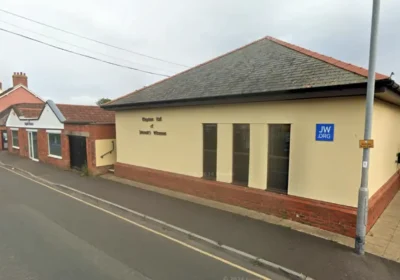
It has left the Milborne Port community shocked, as Billy Boy is a popular members of the community, including playing bowls regularly and taking part in Tai Chi classes.
Chilean police say Eastment, a former heavy goods and bus fitter, is now behind bars in Santiago 1 Penitentiary, where he awaits trial.
Neighbours said the pensioner had spoken of travelling to Mexico before they heard the news he was not returning any time soon.
Police in Chile said they believe Eastment was acting as a drug mule on behalf of a gang, potentially being promised cash to carry the illicit cargo in his luggage.
READ MORE: Crime news from your Somerset Leveller
Sergio Paredes, head of the Anti-Narcotics Division of the Chilean PDI police at Arturo Merino Benitez Airport, revealed Eastment had told officers he had been promised $5 million (£3.7 million) in exchange for delivering the case.
“The elderly British man we arrested claimed he had no idea his suitcase contained drugs when he was intercepted after picking it up from the luggage carousel and trying to enter our country with it,” Mr Paredes said.
“We interviewed him in English because he didn’t speak a word of Spanish and he alleged he had been deceived.
“He said he had received the suitcase from some Mexicans at the airport in Cancun before he boarded his flight and he claimed he had been promised a prize of $5 million for delivering the suitcase to its final destination.
“He was even carrying a rudimentary certificate alluding to the prize. He told us he was going to spend the night in Santiago and fly to Australia the next day, but he didn’t have a hotel or flight booking.
“Apart from the two or three bits of information he offered us about the supposed prize money and his accommodation and travel plans, he didn’t say much.
“We believe he was a drug mule in the pay of a criminal gang and he’s now in prison on remand while we work on gathering evidence against him and the criminal organisation that sent him ahead of probable charges and a trial.”
Mr Paredes said officers were now inspecting Eastment’s mobile phone for any connections with drugs gangs.
“We’ve got court authorisation to look at his mobile and we’ll be working with police forces in those countries and the UK through our liaison officers to try to help build up a watertight case against this gentleman and identify the people we believe sent him to Chile,” he said.

Eastment faces up to 15 years behind bars in Chile if convicted. Picture: Facebook
If convicted, Eastment could face up to 15 years in jail, which could drop if he takes part in any prosecutions.
“This case has its peculiarities – a frail-looking, elderly person being caught with a large amount of methamphetamine who had recently been operated on and still had scars from that medical intervention and looked like a typical grandad if I’m going to be honest,” Mr Paredes added.
“But we’ve seen everything here at this airport, and we know the criminal gangs are increasingly using mules they think will be less likely to attract attention. We’ve caught people in wheelchairs trying to leave Chile through this airport with drugs attached to their bodies. I always say anyone could be a potential drug smuggler. That’s the philosophy we work off here.”
Chilean customs official Rodrigo Diaz said Eastment’s suitcase had been identified during routine scanning at the airport.
“We check every piece of luggage checked in with an X-ray scanner and we also use specialist sniffer dogs and specialists who look for certain types of suspicious behaviour from travellers,” he said.
“The scanner picked up something suspicious before this British OAP’s luggage reached the carousel. We’d marked the suitcase using a technology that meant lights flashed when he came through an arch in the customs filter on his way out of the airport, and then proceeded to check it in the pensioner’s presence.”
“Initially, nothing was discovered after he took his clothes and other belongings from the suitcase. But the packets containing the amphetamine were found once a secret compartment in the case was broken open, which was what the X-Ray scanner had detected as suspicious.”







Leave a Reply