


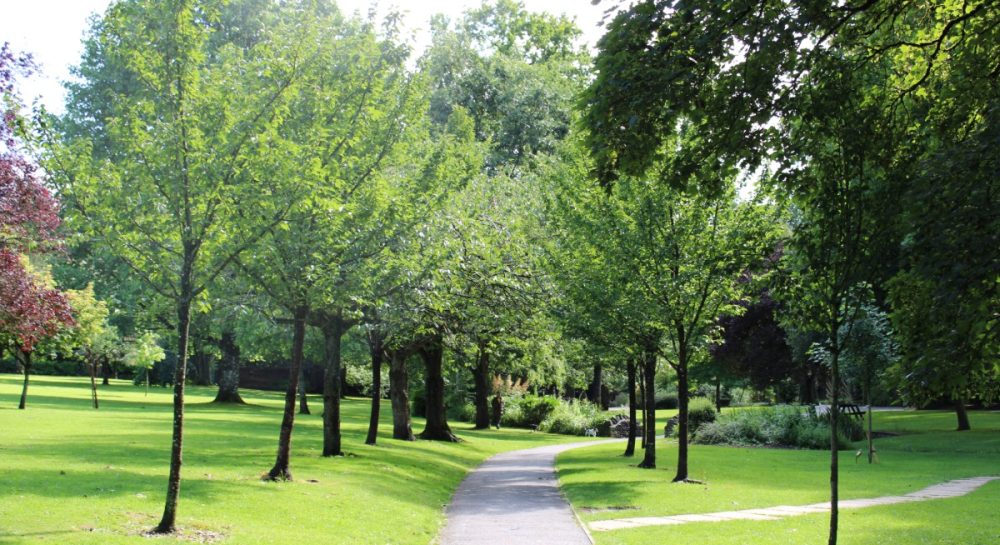
COLLETT Park in Shepton Mallet is set to become even more wildlife friendly with the inclusion of 33 new trees.
Nine different species, including sweet chestnuts, acers, hornbeams, and a walnut, are set to be planted this week by Shepton Mallet Town Council.
Angela Morley, who supported the town council on the project, said the new trees will be enjoyed by residents for years to come as they are long-lived natives.
She added that the trees will be spaced widely apart to allow for wildflowers and long grass to grow beneath the trees.
READ MORE: Shepton Mallet’s Collett Park to undergo £700,000 upgrade
READ MORE: Bridge as long as a bus craned into Shepton Mallet for Somerset’s Strawberry Line
Funding for the project came from a Forestry Commission grant, which encourages councils to plant more trees around their town.
“The new trees for Collett Park have been chosen because they are long-lived natives, therefore linking with the wider landscape,” said Ms Morley.
“The new trees will ensure an interesting park in 100 years’ time, especially bearing in mind the ash dieback, which will affect a great proportion of the existing trees in the park.
“Long-lived trees, unlike cherry and birch, should grow to old specimens that will provide shade and seasonal interest to park users; they will complement the already fantastic treescape of Shepton Mallet as well as support a huge range of biodiversity, such as birds, bats and insects.
“In the long term, some of the trees will produce nuts and fruit, look out for crab apple flowers and fruit, walnuts and chestnuts.
“The trees will be spaced widely, in groups, this means that the park rangers can leave areas of long grass for wildflowers beneath the trees; creating mown paths and glades adds interest for park users and further benefits bees, butterflies and the myriad of ‘invisible-to-the-eye’ wildlife.
“Areas of long grass also cut down on carbon dioxide emissions and reduce maintenance and are recommended by the Royal Horticultural Society.”





Leave a Reply