


A LANDMARK cemetery and chapel in Wells have been handed Grade II listings.
The Mendip Hospital cemetery and chapel have been recognised for their special historic interest.
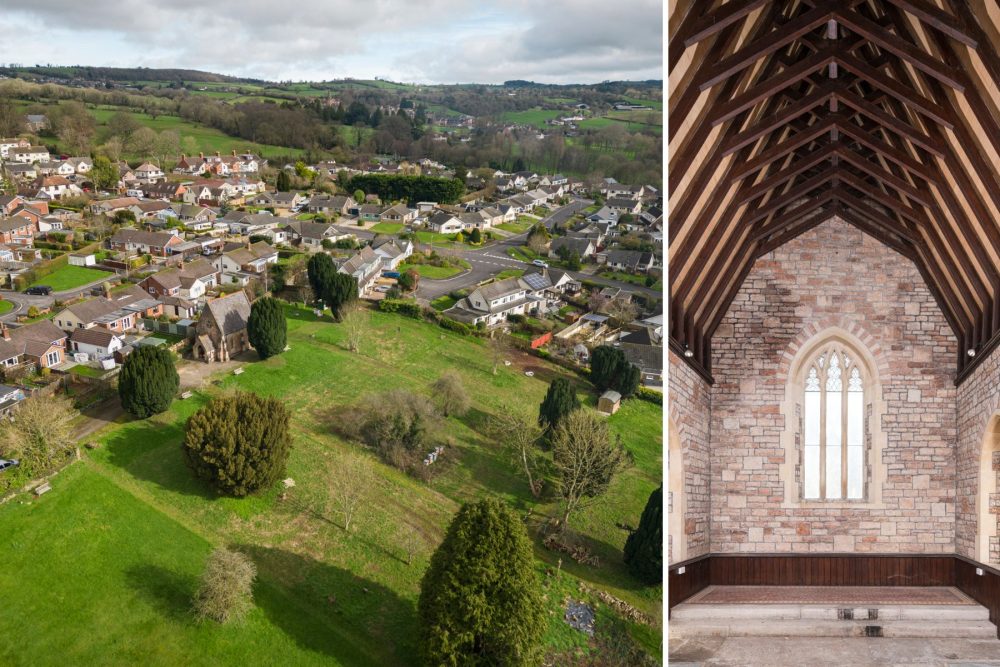
Built for the Somerset and Bath County Asylum in the 1870s, the three-acre cemetery has been designated a Grade II registered park by Historic England, while the mortuary chapel has been listed at Grade II by the Department for Culture, Media and Sport.
Historic England said cemeteries specifically established for asylums are rare, with the Mendip Hospital site one of just four Victorian asylums in south west England to have its own cemetery, only two of which also include a mortuary chapel.
The Mendip Hospital cemetery is largely intact and demonstrates a high level of care in providing a dignified place of memorial for the asylum’s patients and staff.
The Mendip Hospital cemetery spans around three acres. Picture: Historic England
Clare Blackmore vice chair of the Friends of Mendip Hospital Cemetery, said: “It is wonderful that this unique, beautiful, and historic three-acre site with its mortuary chapel has been recognised by Historic England.
“The site is the last resting place of nearly 3,000 souls from the Somerset and Bath County Pauper Asylum, Wells Mental Hospital and Mendip Hospital who, after tragic and troubled lives, now rest in peace in this wonderful place.
“Historic England will help us to ensure we can preserve the past, present and future with the respect they deserve.”
Simon Wardle, South West Listing Team Leader at Historic England, said: “Mendip Hospital Cemetery is nationally important as a rare and essentially intact example of a detached asylum cemetery, inspired by a profound commitment to give patients and staff a dignified final resting place.
“We are pleased that both the cemetery and chapel are now included on the National Heritage List for England.”
The Somerset Gardens Trust assisted the Friends group with funding for a study before the listing application.
Diana Hebditch, chair of the Trust, said: “It gives this important garden the recognition and protection it deserves.
“We are always keen to hear from individuals and organisations who know of such landscaped treasures in Somerset that need the support and protection for which our Trust was founded.”
READ MORE: Click here for more history news from your Somerset Leveller
In 1872, the Somerset and Bath County Asylum Board of Visitors commissioned plans and estimates for a cemetery for the specific use of the asylum.
They purchased the site in 1873 and commissioned Wells surveyor Edwin Hippisley (1815-1897) to carry out the construction.
The Bishop of Bath and Wells consecrated the new cemetery on January 27, 1874.
Experts said the complexity of its design and layout in the context of asylum cemeteries is unusual and rare. The grid layout of burial plots, tree planting at the junctions of the paths, incorporation of designed views and the inclusion of costly elements such as the mortuary chapel, gate piers and stone boundary walls all contribute to the environment.
The original planting scheme survives, including some of the ‘four dozen Irish yews’ ordered for the cemetery in February 1880.
The chapel was built between 1878 and 1879 and opened in 1880.

The chapel was built between 1878 and 1879 and opened in 1880. Picture: Historic England
Also designed by Hippisley, it is a Gothic Revival-style building which forms the visual focal point within the cemetery’s layout.
From its slightly elevated position, the chapel has been carefully positioned to emphasise views of Wells Cathedral and King’s Castle, a prehistoric site a short distance from the city.
The red and white sandstone chapel is well constructed with good quality materials and decorative detailing and retains its original character.
And the experts said, in design and construction, the chapel reflects a level of refinement and expense rarely seen in Victorian institutional cemeteries.
At the time the cemetery was developed, an expanding population and heightened fear of disease led to an increased interest in the management and provision of public burial grounds.
The design of Mendip Hospital’s cemetery was likely influenced by horticultural writer John Claudius Loudon, a leading proponent of cemetery improvement.
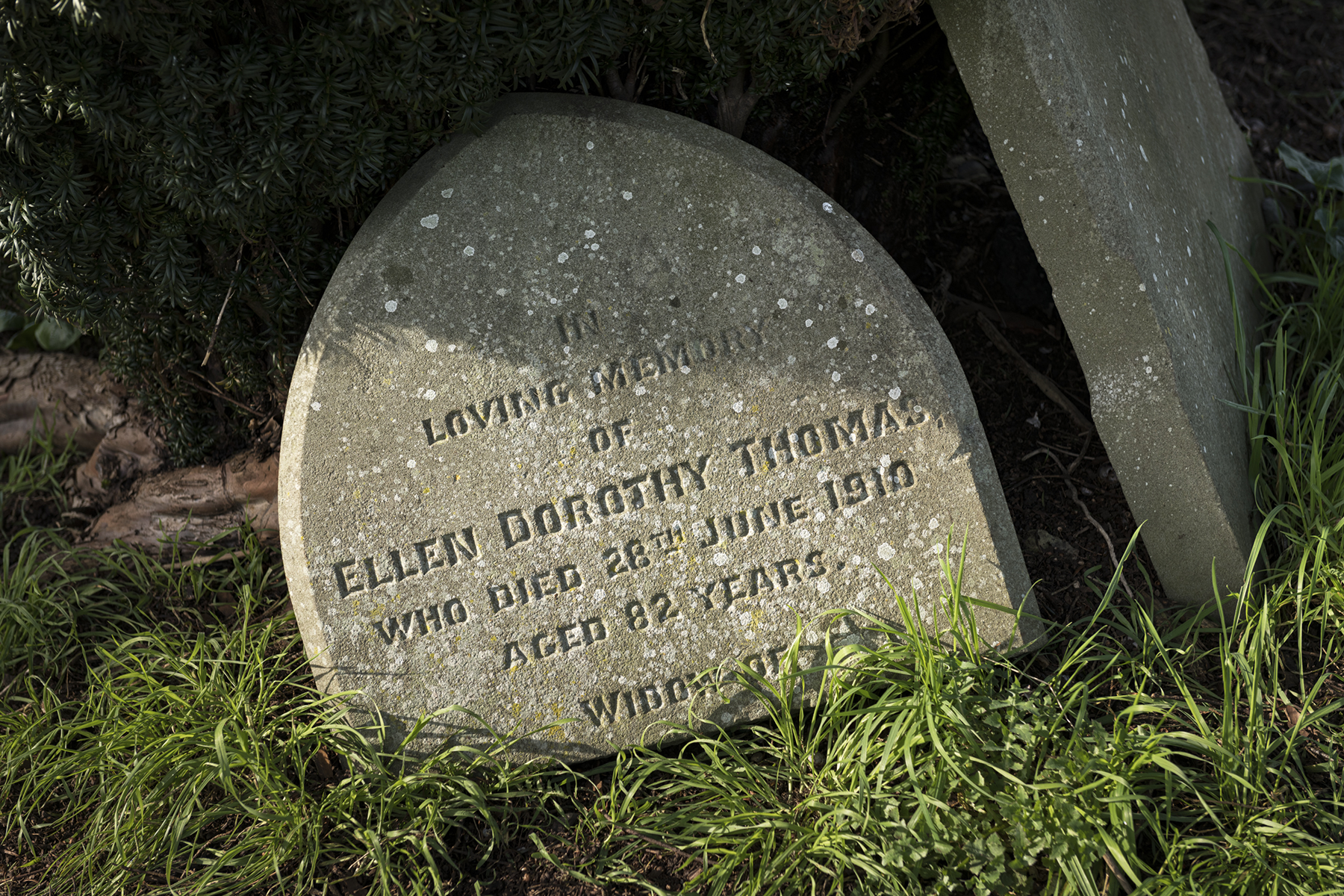
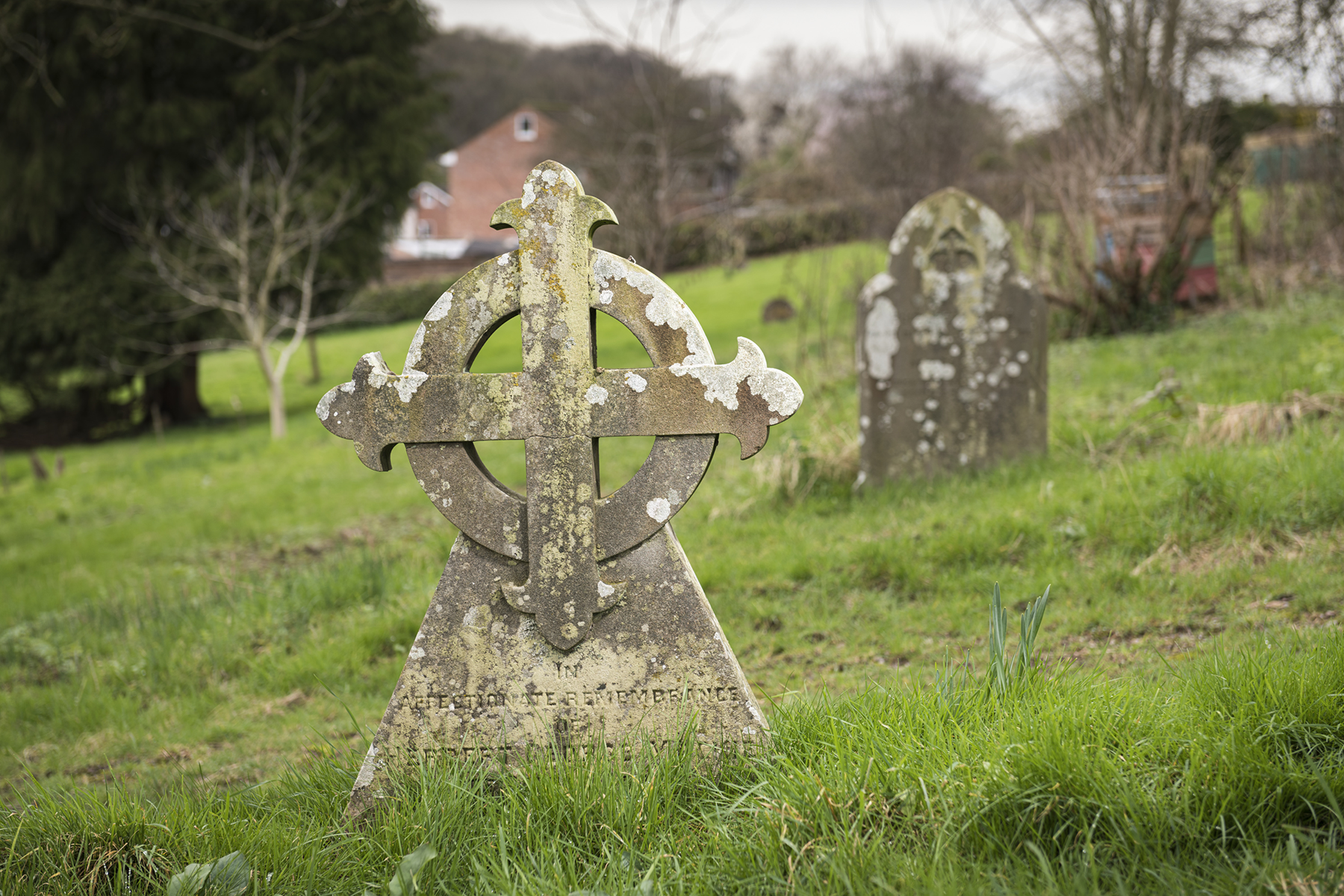
Around 2,900 burials are recorded in the cemetery, with the last taking place in 1963. Picture: Historic England
His ideas about providing sanitary burial places in an attractive landscape of remembrance were widely adopted.
At Mendip, they are reflected in the clear layout and planning of the cemetery, along with the attention to individual commemoration, including bespoke headstones and cast-iron grave markers.
Around 2,900 burials are recorded in the cemetery, with the last taking place in 1963.
The cemetery and chapel are leased and managed by the Friends of Mendip Hospital Cemetery. On All Souls Day (November 2) each year, the Friends hold a service in the chapel to remember all those buried in the cemetery.






Leave a Reply